
Futmak · الفتوحات المكية · Meccan Revelations

The Meccan Revelations

Manuscript volume 30 · Page 82

Konya manuscript

Open Arabic sourceOpen English translation

Arabic

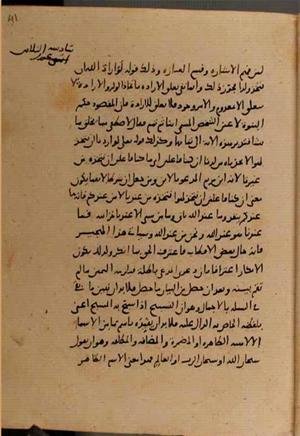
لمن فهم الإشارة وقسم العبارة، وذٰلك بقوله: ﴿لَوْ أَرادَ الله أَنْ يَتَّخِذَ وَلَداً﴾ [الزمر: ٤].

فجوز ذٰلك، وإنما نفى تعلق الإرادة باتخاذ الولد. والإرادة لا تتعلق إلا بمعدوم، والأمر وجود، فلا تعلق للإرادة؛ فإن المقصود حكم البنوة، لا عين الشخص المسمى ابنا.

ثم تمم فقال: ﴿لَاصْطَفى مِمَّا يَخْلُقُ ما يَشاءُ﴾ [الزمر: ٤]، فتدبر هذه الآية إلى تمامها.

وكذٰلك قوله تعالى: ﴿لَوْ أَرَدْنا أَنْ نَتَّخِذَ لَهْواً لَاتَّخَذْناهُ من لَدُنَّا إِنْ كُنَّا فاعِلِينَ﴾ [الأنبياء: ١٧]، أي ما كنا فاعلين إن نتخذه من غيرنا؛ لأنه ابن مريم المدعو بالابن.

(وجها إن: النفي والشرط)

ومن جعل «إن» شرطا لا نفيا، يكون معنى ﴿إِنْ كُنَّا فاعِلِينَ﴾ [الأنبياء: ١٧]: إن نتخذ لهوا، نتخذه من عندنا، لا من عندكم؛ فإنه ﴿ما عِنْدَكُمْ يَنْفَدُ وما عِنْدَ الله باقٍ﴾ [النحل: ٩٦]، ﴿وإِنْ من شَيْءٍ إِلَّا عِنْدَنا خَزائِنُهُ﴾ [الحجر: ٢١].

فما عندنا هو عند الله، ونحن من عند الله. وسيأتي هٰذا الهجير؛ فإنه حال بعض الأقطاب. فاعترف الحق بما أنكر؛ ولذٰلك يكون الإنكار اعترافا بأن دعوى المدعي باطلة، فيلزمه اليمين ما لم تقم بينة.

(تقييد التسبيح بالأسماء)

وبعد أن حصل من البيان ما حصل، فلا بد أن نبين ما بقي في المسألة بالإجمال، وهو أن التسبيح إذا سبح به المسبح ـ أعني بلفظه الخاص به الدال عليه ـ فلا بد أن يقيده باسم ما من الأسماء الإلهية الظاهرة أو المضمرة والمضافة والمطلقة.

وهو أن يقول: «سبحان الله»، أو «سبحان الرب»، أو «العالم». فهٰذا معنى الاسم الظاهر.
English

for one who understands the allusion and the division of the expression, through His saying: ﴿Had God willed to take a child﴾ [The Companies 39:4].

He thus allowed this, and denied only the will’s attachment to taking a child. Will attaches only to something nonexistent, while the affair is existence, so will has no attachment. For what is intended is the ruling of sonship, rather than the very individual called a son.

He then completed it, saying: ﴿He would have chosen whatever He wished from what He creates﴾ [The Companies 39:4]. Ponder this verse to its end.

Likewise His saying, exalted is He: ﴿Had We willed to take a diversion, We would have taken it from Our own presence, if We were to act﴾, in kunnā fāʿilīn [The Prophets 21:17]—that is, We would not act to take it from other than Ourselves, for the one called the son is Mary’s son.

(The Two Senses of In: Negation and Condition)

For one who takes in as conditional rather than negative, the meaning of ﴿If We were to act﴾ [The Prophets 21:17] is: if We take a diversion, We take it from Our own presence, not from yours; for ﴿What is with you is exhausted, while what is with God remains﴾ [The Bee 16:96], and ﴿There is nothing whose treasuries are not with Us﴾ [The Rocky Tract 15:21].

What is with us is with God, and we are from God’s presence. This constant invocation will come later, for it is the state of one of the Poles. The Real thus acknowledged what He denied. Hence denial is an acknowledgment that the claimant’s claim is false, obliging the denier to swear an oath unless clear evidence is established.

(Restricting Glorification through the Names)

After the clarification that has been attained, we must explain in summary what remains in the question. When one glorifies through glorification—I mean through its own particular expression indicating it—he must restrict it through some divine Name, whether explicit or implicit, annexed or unrestricted.

Thus he says, “Glory be to God,” or “Glory be to the Lord,” or “the Knower.” This is the meaning of the explicit Name.

Manuscript imageManuscript volume 30 · Page 82

Arabic and English are linked by the same Konya page ID. Page alignment is approximate; consult the manuscript image for verification.

Cairo source reference

Ibn al-Arabi, The Meccan Revelations — Manuscript volume 30 · Page 82 — https://www.futmak.com/english/konya/pages.php?id=8890&text=both