The Meccan Revelations

Manuscript volume 30 · Page 38

Konya manuscript

Open Arabic sourceOpen English translation

Arabic

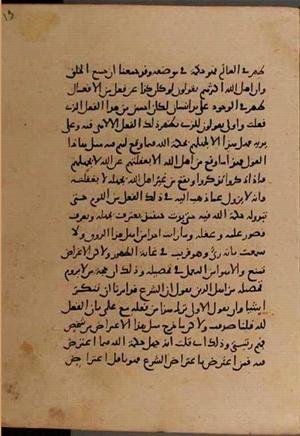
ظهر في العالم فهو حكمة في موضعه.

وقد جمعنا أن جميع الخلق وأن أهل الله أكثرهم يقولون: لو كان كذا عن فعل من الأفعال ظهر في الوجود على يد إنسان لكان أحسن من هٰذا الفعل الذي فعلت وأولى، يقولون للذي يظهر ذٰلك الفعل الإلهي فيه وعلى يديه. فهل هٰذا إلا لجهلهم بحكمة الله فيما وقع لهم فيه مثل هٰذا القول؟

فهٰذا ما وقع من أهل الله إلا بغفلتهم عن الله، لا بجهلهم. فإذا ذكروا تذكروا، ويقع من غير أهل الله بجهله لا بغفلته؛ فإنه لا يزول عما ذهب إليه في ذٰلك الفعل من اللوم حتى تبدو له حكمة الله فيه متى بدت، حينئذ يعترف بجهله ويعرف قصور علمه وعقله.

وما رأيت أحدا من أهل هٰذا الذوق ولا سمعت بأنه رىء. وهو قريب في غاية الظهور، ولكن الأغراض تمنع والأهواء من التعمل في تحصيله.

(الاعتراض الشرعي وشهود الحكمة)

وذٰلك أن حجة من لا يروم تحصيله من أهل الدين يقول: «إن الشرع قد أمرنا أن ننكر أشياء وأن نقول الأولى ترك هٰذا من فعله مع علمي بأن الفعل لله».

قلنا: «صدقت»، ولكن ما خرج مثل هٰذا الاعتراض من شخص فهم رتبتي، وذٰلك أني قلت إنه جهل حكمة الله فيما اعترض فيه. فمن اعترض باعتراض الشرع[8] فهو ناقل اعتراض

Notes

[8]

(يفرق المؤلف بين الاعتراض الناشئ عن الغفلة عن الحكمة، والاعتراض الناقل لحكم الشرع؛ فلا يسقط هنا الأمر والنهي وإقامة الحدود.)
English

that appears in the world is wisdom in its own place.

We have agreed that all created beings, and most of the people of God, say, concerning an act that has appeared in existence through a human being, ‘Had it been such and such, it would have been better and more fitting than this act you performed.’ They say this to the one within whom and through whose hands that divine act appears. Is this for any reason other than their ignorance of God’s wisdom in the matter concerning which they have spoken in this way?

When this occurs among the people of God, it is only through their heedlessness of God, not their ignorance. When reminded, they remember. Among others it occurs through ignorance, not heedlessness, for such a person does not abandon the blame he has directed at that act until God’s wisdom within it becomes apparent to him. Whenever it does become apparent, he then acknowledges his ignorance and recognizes the limitation of his knowledge and intellect.

I have seen no one of this tasting, nor heard that anyone has been seen. It is close at hand and utterly manifest, but purposes and caprices prevent the effort to attain it.

(Objection through the Revealed Law and Witnessing Wisdom)

The argument of a religious person who does not seek to attain it is this: ‘The Revealed Law has commanded us to disapprove of certain things and to say that it would have been preferable for their doer to leave them undone, despite my knowing that the act belongs to God.’

We say, ‘You have spoken truly.’ But no objection of this kind has come from someone who understood my rank, for I said that he was ignorant of God’s wisdom in what he objected to. Whoever objects through the Revealed Law’s objection[8] transmits the objection of

Notes

[8]

(The author distinguishes an objection arising from heedlessness of wisdom from an objection transmitting the Revealed Law’s ruling; he does not here abolish command, prohibition, or the enforcement of prescribed penalties.)

Manuscript imageManuscript volume 30 · Page 38

Arabic and English are linked by the same Konya page ID. Page alignment is approximate; consult the manuscript image for verification.

Cairo source reference

Ibn al-Arabi, The Meccan Revelations — Manuscript volume 30 · Page 38 — https://www.futmak.com/english/konya/pages.php?id=8846&text=both