The Meccan Revelations

Manuscript volume 30 · Page 31

Konya manuscript

Open Arabic sourceOpen English translation

Arabic

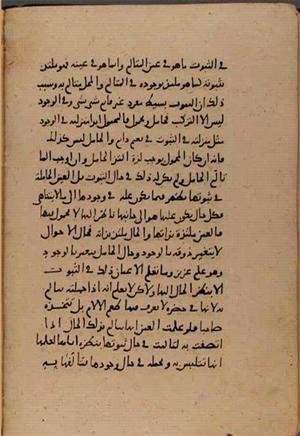
في الثبوت ما هو في عين المتألم، وإنما هو في عينه، فهو ملتذ بثبوته كما هو ملتذ بوجوده في المتألم، والمحل متألِّم به.

(الحامل والمحمول)

وسبب ذٰلك أن الثبوت بسيط مفرد غير قائم شيء بشيء، وفي الوجود ليس إلا التركيب؛ فحامل ومحمول.

فالمحمول أبدا منزلته في الوجود مثل منزلته في الثبوت، في نعيم دائم.

والحامل ليس كذٰلك؛ فإنه إن كان المحمول يوجب لذة، التذ الحامل، وإن أوجب ألما، تألم الحامل. ولم يكن له ذٰلك في حال الثبوت.

بل العين الحاملة في ثبوتها تظهر فيما تكون عليه في وجودها إلى ما لا يتناهى، فكل حال تكون عليها، هو إلى جانبها ناظر إليها، لا محمول فيها.

فالعين ملتذة بذاتها، والحال ملتذ بذاته؛ فحال الأحوال لا يتغير ذوقه بالوجود[7]، وحال الحامل يتغير بالوجود وهو علم عزيز.

وما تعلم الأعيان ذٰلك في الثبوت إلا بنظر الحال إليها، ولكن لا تعلم أنه إذا حملته تتألم به لأنها في حضرة لا تعرف فيها طعم الآلام، بل تتخذه صاحبا.

فلو علمت العين أنها تتألم بذٰلك الحال إذا اتّصفتْ به، لتألمت في حال ثبوتها بنظره إياها لعلمها أنها تتلبس به وتحمله في حال وجودها. فتألفها به

Notes

[7]

(يميز هذا الاعتبار الحالَ من المحل الذي يحمله: فالحال ثابت في نفسه، بينما يختلف أثره في الحامل باللذة أو الألم.)
English

in fixity, is not within the entity of the one in pain; it is only within its own entity. It delights in its fixity just as it delights in its existence within the one in pain, while the locus is pained by it.

(The Carrier and the Carried)

The reason is that fixity is simple and uncompounded, with nothing subsisting in anything else. In existence there is only composition: a carrier and something carried.

The rank of what is carried in existence is always like its rank in fixity: in perpetual bliss.

The carrier is not so. If what is carried brings about delight, the carrier delights; if it brings about pain, the carrier is pained. This did not belong to it in the state of fixity.

Rather, in its fixity the carrying entity appears in what it will be in its existence without end. Every state it will have is beside it, looking toward it, not carried within it.

The entity delights in itself, and the state delights in itself. The condition of the states does not change in its tasting through existence[7], while the condition of the carrier changes through existence. This is a rare and precious science.

The entities know this in fixity only through the state’s looking toward them. Yet they do not know that, if they carry it, they will be pained by it, for they are in a Presence in which they do not know the taste of pains. Rather, they take it as a companion.

If the entity knew that it would be pained by that state when qualified by it, it would be pained in its fixity by its looking toward it, knowing that it would become clothed in it and carry it in its existence. Thus its familiarity with it

Notes

[7]

(This consideration distinguishes the state from the locus carrying it: the state is fixed in itself, while its effect upon the carrier varies as delight or pain.)

Manuscript imageManuscript volume 30 · Page 31

Arabic and English are linked by the same Konya page ID. Page alignment is approximate; consult the manuscript image for verification.

Cairo source reference

Ibn al-Arabi, The Meccan Revelations — Manuscript volume 30 · Page 31 — https://www.futmak.com/english/konya/pages.php?id=8839&text=both