The Meccan Revelations

Manuscript volume 30 · Page 30

Konya manuscript

Open Arabic sourceOpen English translation

Arabic

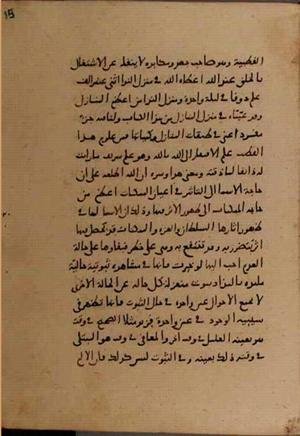
القطبية وهو صاحب جهد ومكابدة، لا ينفك عن الاشتغال بالخلق عند الله.

أعطاه الله في منزل النداء اثني عشر ألف علم ذوقا في ليلة واحدة.

ومنزل النداء من أعظم المنازل، وقد عيناه في منزل المنازل من هٰذا الكتاب ولنا فيه جزء مفرد، أعني في طبقات المنازل وكمياتها.

(الافتقار والثبوت والوجود)

فمن علوم هٰذا القطب علم الافتقار إلى الله بالله، وهو علم شريف، ما رأيت له ذائقا لما ذقته.

ومعنى هٰذا وسره: إن الله أطلعه على إن حاجة الأسماء إلى التأثير في أعيان الممكنات أعظم من حاجة الممكنات إلى ظهور الأثر فيها.

وذٰلك أن الأسماء لها في ظهور آثارها السلطان والعزة، والممكنات قد يحصل فيها أثر تتضرر به، وقد تنتفع به.

وهي على خطر؛ فبقاؤها على حالة العدم أحب إليها، لو خيرت.

(الأعيان والأحوال في الثبوت)

فإنها في مشاهدة ثبوتية حالية ملتذة بالتذاذ ثبوتي منعزلة كل حالة عن الحالة الأخرى، لا تجمع الأحوال عين واحدة في حال الثبوت، فإنها تظهر في شيئية الوجود في عين واحدة.

فزيد مثلا الصحيح في وقت، هو بعينه العليل في وقت آخر، والمعافى في وقت، هو المبتلى في وقته ذٰلك بعينه.

وفي الثبوت ليس كذٰلك؛ فإن الألم يكون هنا
English

Polehood. He is a man of exertion and struggle, who never ceases to occupy himself with creation before God.

In the Abode of the Call, God gave him twelve thousand sciences through tasting in a single night.

The Abode of the Call is among the greatest Abodes. We have designated it in the Abode of Abodes in this book, and we have a separate treatise on this—that is, on the classes of the Abodes and their numbers.

(Need, Fixity, and Existence)

Among this Pole’s sciences is the knowledge of need for God through God. It is a noble science, and when I tasted it I saw no one who had tasted it.

Its meaning and secret are that God acquainted him with the fact that the Names’ need to exert an effect upon the entities of possible things is greater than possible things’ need for that effect to become manifest within them.

For in the manifestation of their effects the Names possess sovereignty and might, whereas an effect may occur in possible things that harms them, or one that benefits them.

They are at risk; thus, were they given the choice, remaining in the state of nonexistence would be dearer to them.

(Entities and States in Fixity)

For they are in a witnessing pertaining to fixity and to states, enjoying the delight of fixity, each state separate from every other. In the state of fixity, no single entity gathers the states together, whereas in the thingness of existence they appear within a single entity.

Zayd, for example, who is healthy at one time, is himself ill at another; and the one who is well at a certain time is the one afflicted at that very time.

In fixity it is not so, for pain here,

Manuscript imageManuscript volume 30 · Page 30

Arabic and English are linked by the same Konya page ID. Page alignment is approximate; consult the manuscript image for verification.

Cairo source reference

Ibn al-Arabi, The Meccan Revelations — Manuscript volume 30 · Page 30 — https://www.futmak.com/english/konya/pages.php?id=8838&text=both