The Meccan Revelations

Manuscript volume 30 · Page 11

Konya manuscript

Open Arabic sourceOpen English translation

Arabic

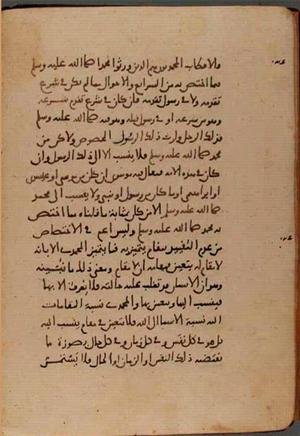
فالأقطاب المحمديون هم الذين ورثوا محمدا ص فيما اختص به من الشرائع والأحوال مما لم يكن في شرع تقدمه ولا في رسول تقدمه.

فإن كان في شرع تقدم شرعه وهو من شرعه، أو في رسول قبله وهو فيه ص، فذٰلك الرجل وارث ذٰلك الرسول المخصوص، ولكن من محمد ص، فلا ينسب إلا إلى ذٰلك الرسول، وإن كان في هذه الأمة.

فيقال فيه: موسوي إن كان من موسى أو عيسوي أو إبراهيمي أو ما كان من رسول أو نبي.

ولا ينسب إلى محمد ص إلا من كان بمثابة ما قلناه مما اختص به محمد ص وليس أعم في الاختصاص من عدم التقييد بمقام يتميز به فما يتميز المحمدي إلا بأنه لا مقام له يتعيّن؛ فمقامه إن لا مقام[3].

(المقام والتقلب مع الأنفاس)

ومعنى ذٰلك ما نبينه، وهو أن الإنسان قد تغلب عليه حالته، فلا يعرف إلا بها، فينسب إليها ويتعين بها.

والمحمدي نسبة المقامات إليه نسبة الأسماء إلى الله، فلا يتعين في مقام ينسب إليه، بل هو في كل نفس وفي كل زمان وفي كل حال بصورة ما يقتضيه ذٰلك النفس أو الزمان أو الحال.

فلا يستمر

Notes

[3]

(يفسر المؤلف هذه العبارة بعدم انحصار المحمدي في مقام معين، مع علمه بما يتقلب فيه.)
English

The Muhammadan Poles are those who inherit from Muhammad, God’s blessings and peace be upon him, what is peculiar to him of laws and states absent from any prior Revealed Law or messenger.

If it was in a Revealed Law preceding his Law and is also part of his Law, or in a messenger before him and is also in him, God’s blessings and peace be upon him, that person inherits from that particular messenger, but through Muhammad, God’s blessings and peace be upon him. He is therefore attributed only to that messenger, although he belongs to this community.

He is called Mosaic if it comes from Moses, or Jesus-like, Abrahamic, or whatever messenger or prophet it may be.

Only someone possessing what we have mentioned as peculiar to Muhammad, God’s blessings and peace be upon him, is attributed to him. Nothing is more comprehensive in this particularity than not being delimited by a station through which one is distinguished. The Muhammadan is distinguished only by having no determinate station: his station is no station[3].

(The Station and Turning with Every Breath)

We shall explain its meaning: a person’s state may dominate him, so that he is known only through it, attributed to it, and defined by it.

The relation of stations to the Muhammadan is the relation of Names to God. He is not defined within a station to which he is attributed. Rather, in every breath, time, and state, he possesses the form required by that breath, time, or state.

His delimitation does not

Notes

[3]

(The author explains this expression as the Muhammadan’s not being confined within a particular station, while knowing what he turns within.)

Manuscript imageManuscript volume 30 · Page 11

Arabic and English are linked by the same Konya page ID. Page alignment is approximate; consult the manuscript image for verification.

Cairo source reference

Ibn al-Arabi, The Meccan Revelations — Manuscript volume 30 · Page 11 — https://www.futmak.com/english/konya/pages.php?id=8819&text=both