The Meccan Revelations

Manuscript volume 29 · Page 14

Konya manuscript

Open Arabic sourceOpen English translation

Arabic

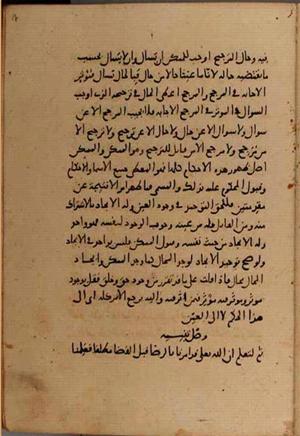
فيه. وحال الترجيح أوجب للممكن أن يسأل وأن لا يسأل، بحسب ما تقتضيه حاله؛ لأنا ما عينا حالا من حال.

فبالحال يسأل فيؤثر الإجابة في المُرَجِّح. والمُرَجِّح أعطى الحال في ترجيحه الذي أوجب السؤال المؤثر في المرجح الإجابة. فلا يجيب المُرَجِّح إلا عن سؤال، ولا سؤال إلا عن حال، ولا حال إلا عن ترجيح، ولا ترجيح إلا من مُرَجِّح، ولا مرجح إلا من قابل للترجيح، وهو الممكن.

والممكن أصل ظهور هذه الأحكام كلها؛ فهو المعطي جميع الأسماء والأحكام، وقبول المحكوم عليه بذٰلك والمسمى. فما ظهر أمر إلا نتيجة عن مقدمتين. فللحق التوحيد في وجود العين.

وله الإيجاد بالاشتراك منه ومن القابل. فله من عينه وجوب الوجود[6] لنفسه؛ فهو واحد وله الإيجاد من حيث نفسه، وقبول الممكن؛ فليس بواحد في الإيجاد.

ولو صح توحيد الإيجاد لوجد المحال كما وجد الممكن، وإيجاد المحال محال. فإذا قلت على ما قد تقرر من وجود حق وخلق فقل: بوجود مؤثر ومؤثر فيه مؤثر فيمن أثر فيه ﴿وإِلَيْهِ يُرْجَعُ الْأَمْرُ كُلُّهُ﴾ [هود: ١٢٣]، أي إلى هٰذا الحكم، لا إلى العين.

وصل: تنبيه

(الرضا بالقضاء والإيمان بالقدر)

ثم لتعلم أن الله تعالى قد أمرنا بالرضا قبل القضاء[7]، مطلقا؛ فعلمنا

Notes

[6]

(يميز السياق بين وحدة العين وبين الإيجاد من جهة الفاعل وقبول الممكن؛ وتُقرأ العبارة التالية في حدود هذا التفصيل.)

[7]

(وردت «قبل القضاء» بهذا اللفظ، فأُبقيت؛ ثم يفصل المؤلف بين الإجمال والتعيين في متعلق الرضا.)
English

within it. The state of giving preponderance necessitates that the possible thing ask or not ask, according to what its state requires, for we have not specified one state rather than another.

Through its state it asks, and thereby brings about a response in the giver of preponderance. The giver of preponderance bestows the state, in his giving preponderance, which necessitates the asking that brings about a response in the giver of preponderance. The giver of preponderance answers only in response to asking; asking comes only from a state; a state comes only from giving preponderance; giving preponderance comes only from a giver of preponderance; and there is no giver of preponderance except through a receiver of preponderance, namely the possible thing.

The possible thing is the basis of the appearance of all these rulings. It bestows all names and rulings, and the receptivity of what is ruled upon and named accordingly. No matter appears except as a conclusion from two premises. Oneness therefore belongs to the Real in the existence of the entity.

Bringing into existence belongs to Him through participation between Himself and the receiver. Through His entity He possesses necessity of existence[6] in Himself, and is therefore one. He possesses bringing into existence through Himself and the possible thing's reception, and is therefore not one in bringing into existence.

Were oneness in bringing into existence sound, the impossible would exist just as the possible exists, whereas bringing the impossible into existence is impossible. If, according to what has been established, you speak of the existence of Real and creature, speak of the existence of an affecter and one affected, who affects the one who affected it: ﴿To Him the entire affair is returned﴾ [Hūd 11:123]—that is, to this ruling, not to the entity.

Connection: An Admonition

(Contentment with Decree and Faith in Determination)

Know, further, that God, exalted is He, has commanded us to be content before the decree[7], without qualification. We therefore know

Notes

[6]

(The context distinguishes the oneness of the entity from bringing into existence on the side of the agent and the possible thing's reception. The following phrase is to be read within this distinction.)

[7]

(‘Before the decree’ occurs in this wording and has been retained. The author then distinguishes between summation and determining particulars in the object of contentment.)

Manuscript imageManuscript volume 29 · Page 14

Arabic and English are linked by the same Konya page ID. Page alignment is approximate; consult the manuscript image for verification.

Cairo source reference

Ibn al-Arabi, The Meccan Revelations — Manuscript volume 29 · Page 14 — https://www.futmak.com/english/konya/pages.php?id=8574&text=both