
Futmak · الفتوحات المكية · Meccan Revelations

The Meccan Revelations

Manuscript volume 3 · Page 213

Konya manuscript

Open Arabic sourceOpen English translation

Arabic

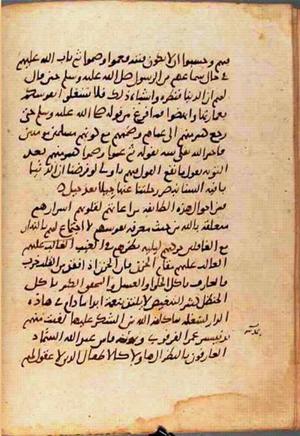
فيهم: ﴿وحَسِبُوا أَلَّا تَكُونَ فِتْنَةٌ فَعَمُوا وصَمُّوا ثُمَّ تابَ الله عَلَيْهِمْ﴾ [المائدة: ٧١]، في حال سماعهم من الرسول صلى الله عليه وسلم حين قال لهم: «إن الدنيا قنطرة» وأشباه ذٰلك، «فلا تشغلوا نفوسكم بعمارتها وانهضوا».

فما فرغ من قوله صلى الله عليه وسلم حتى رجع كثير منهم إلى عماهم وصممهم مع كونهم مسلمين مؤمنين. فأخبر الله تعالى نبيه بقوله: ﴿ثُمَّ عَمُوا وصَمُّوا كَثِيرٌ مِنْهُمْ﴾ [المائدة: ٧١] بعد التوبة، يقول ما نفع القول فيهم. يا ولي، لو فرضنا إن الدنيا باقية، أ لسنا نبصر رحلتنا عنها جيلا بعد جيل؟

(أحوال النياتيين ومراعاة الباطن)

فمن أحوال هذه الطائفة مراعاتهم لقلوبهم وأسرارهم متعلقة بالله من حيث معرفة نفوسهم. ولا اجتماع لهم بالنهار مع الغافلين، بل حركتهم ليلية ونظرهم في الغيب. الغالب عليهم مقام الحزن، فإن الحزن إذا فقد من القلب خرب.

فالعارف يأكل الحلوى والعسل، والمحقق الكبير يأكل الحنظل، فهو كثير التنغيص لا يلتذ بنعمة أبدا ما دام في هذه الدار لشغله بما كلفه الله من الشكر عليها. لقيت منهم بدنيسير عمر الفرقوي، وبمدينة فاس عبد الله السماد.

والعارفون بالنظر إلى هٰؤلاء كالأطفال الذين لا عقول لهم،
English

concerning them: “They supposed there would be no trial, so they became blind and deaf; then God turned toward them” [al-Maʾidah 5:71], when they heard from the Messenger, may God bless him and grant him peace, as he said to them, “This world is a bridge,” and similar sayings: “Do not occupy yourselves with building it up; rise and depart.”

He, may God bless him and grant him peace, had not finished speaking before many of them returned to their blindness and deafness, despite being Muslims and believers. God Most High therefore informed His Prophet by saying: “Then many of them became blind and deaf” [al-Maʾidah 5:71], after His turning toward them. He means that the saying did them no good. My friend, even if we supposed this world to endure, do we not see ourselves departing from it, generation after generation?

(The States of the People of Intention and Attending to the Inward Self)

Among the states of this company is their care for their hearts and inmost secrets, attached to God through knowing their own selves. They do not gather with the heedless by day; rather, their movement is by night, and their gaze is into the unseen. The station of sorrow predominates among them, for when sorrow is absent from the heart, it falls into ruin.

The knower eats sweets and honey, while the great realized one eats bitter gourd. His enjoyment is continually troubled: he never takes pleasure in a blessing as long as he remains in this abode, because he is occupied with the gratitude for it that God has required of him. Among them, I met Umar al-Farqawi in Dunaysir, and Abd Allah al-Samad in the city of Fez.

Compared with these people, the knowers are like children who have no understanding

Manuscript imageManuscript volume 3 · Page 213

Arabic and English are linked by the same Konya page ID. Page alignment is approximate; consult the manuscript image for verification.

Cairo source reference

Ibn al-Arabi, The Meccan Revelations — Manuscript volume 3 · Page 213 — https://www.futmak.com/english/konya/pages.php?id=855&text=both