
Futmak · الفتوحات المكية · Meccan Revelations

The Meccan Revelations

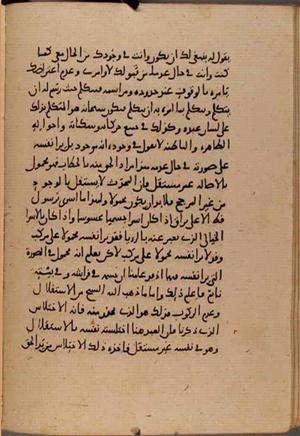
Manuscript volume 28 · Page 213

Konya manuscript

Open Arabic sourceOpen English translation

Arabic

التجارة ولا البيع عن ذكر الله.

(الصدق في الوفاء بالميثاق)

وكذٰلك ﴿رِجالٌ صَدَقُوا ما عاهَدُوا الله عَلَيْهِ﴾ [الأحزاب: ٢٣]، في أخذ الميثاق الذي أخذ الله عليهم، فوفوا به.

وقيل فيهم صدقوا، لأنهم غالبوا فيه، وفي الوفاء به الدعاوى المركوزة في النفوس التي أخرجت بعض من أخذ عليه الميثاق، أو أكثره عن الوفاء ﴿بِما عاهَدَ عَلَيْهُ الله﴾ [الفتح: ١٠].

فليس الرجل إلا من صدق مع الله في الوفاء بما أخذ عليه، كما صدق النبي فيما أخذ الله عليه في ميثاق النبيين والمرسلين.

(الأعراف ومنزلة الاستشراف)

وقوله: ﴿وعَلَى الْأَعْرافِ رِجالٌ﴾ [الأعراف: ٤٦]، وهم أعظم الرجال في المنزلة، فإن لهم الاستشراف على المنازل.

فما أشار بالأعراف هنا هٰذا الشيخ إلى من تساوت حسناته وسيئاته، وإنما أخذه من حيث منزلة الاستشراف.

فإن الأعراف هنا، هو السور الذي بين الجنة والنار ﴿باطِنُهُ فِيهِ الرَّحْمَةُ﴾ [الحديد: ١٣]، وهو الذي يلي الجنة ﴿وظاهِرُهُ من قِبَلِهِ الْعَذابُ﴾، وهو الذي يلي النار.

فجعل النار من قبله، أي تُقابله، والمقابل ضد، فلم يجعل السور محلا للعذاب، وجعله محلا للرحمة، بقوله: ﴿باطِنُهُ فِيهِ الرَّحْمَةُ﴾ [الحديد: ١٣].

فانظر ما أعجب تنبيه الله عباده بحقائق الأمور، على ما هي عليه ﴿ولكِنَّ أَكْثَرَ النَّاسِ لا يَعْلَمُونَ﴾ [الأعراف: ١٨٧].

فأهل الأعراف في محل رحمة الله، وذٰلك هو الذي أطمعهم في الجنة، وإن كانوا بعد ما دخلوها.
English

nor did sale, from remembering God.

(Truthfulness in Fulfilling the Covenant)

Likewise are “men who were truthful in what they covenanted with God” [al-Aḥzāb 33:23], in the taking of the covenant God took from them: they fulfilled it.

They were called truthful because, within it and in fulfilling it, they overcame the claims rooted within souls that turned some, or most, of those from whom the covenant was taken away from fulfilling “what he covenanted with God” [al-Fatḥ 48:10].

The man is only one who is truthful with God in fulfilling what was taken from him, just as the Prophet was truthful concerning what God took from him in the covenant of the prophets and messengers.

(The Heights and the Station of Overlooking)

His saying, “Upon the Heights are men” [al-Aʿrāf 7:46], refers to those greatest among the men in station, for they overlook the stations.

By the Heights here, this shaykh was not pointing to those whose good and evil deeds are equal. He took it only in respect of the station of overlooking.

The Heights here are the wall between the Garden and the Fire, “within which is mercy” [al-Ḥadīd 57:13], the side toward the Garden, “while outside it, on its side, is torment,” the side toward the Fire.

He placed the Fire before it—that is, opposite it. What is opposite is a contrary. He thus did not make the wall a locus for torment, but made it a locus for mercy through His saying, “Within it is mercy” [al-Ḥadīd 57:13].

Consider how wondrously God alerts His servants to the realities of affairs as they are! “But most people do not know” [al-Aʿrāf 7:187].

The people of the Heights are within the locus of God's mercy. This is what makes them hope for the Garden, although they have not yet entered it.

Manuscript imageManuscript volume 28 · Page 213

Arabic and English are linked by the same Konya page ID. Page alignment is approximate; consult the manuscript image for verification.

Cairo source reference

Ibn al-Arabi, The Meccan Revelations — Manuscript volume 28 · Page 213 — https://www.futmak.com/english/konya/pages.php?id=8539&text=both