
Futmak · الفتوحات المكية · Meccan Revelations

The Meccan Revelations

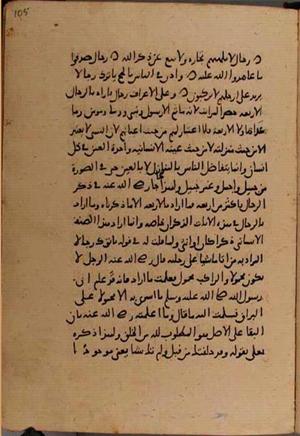
Manuscript volume 28 · Page 212

Konya manuscript

Open Arabic sourceOpen English translation

Arabic

فتخيل أنه غير محمول، فلم يعرف نفسه، ومن لم يعرف نفسه جهل ربه.

فكان الغير هنا الذي نظر إليه، عين نفسه، وذٰلك لضعفه في العلم بالأصل الذي هو عليه.

(الرسل وحقيقة الحمل)

ولا شك أن مرتبة الرسل ع قد جمعت جميع مراتب الرجال، من نبوة، وولاية، وإيمان، وهم المحمولون، فمن ورثهم، كان محمولا يعلم ذٰلك من نفسه.

وإنما قلنا يعلم ذٰلك من نفسه، لأن الأمر في نفسه أنه محمول، ولا بد، ولكن من لا علم له بذٰلك يتخيل أنه غير محمول، فلهٰذا قيدنا.

وفي قوله: ﴿يَأْتُوكَ رِجالًا﴾ [الحج: ٢٧]، فالذي دعاهم قال لهم: قولوا ﴿وإِيَّاكَ نَسْتَعِينُ﴾ [الفاتحة: ٥]، وقال لهم: ﴿اسْتَعِينُوا بِاللَّهِ وَاصْبِرُوا﴾ [الأعراف: ١٢٨] وكل معنى[80] محمول، بلا شك، فإنه غير مستقل بالأمر، إذ لو استقل به لما طلب العون، والمعين.

(التجارة والذكر)

وقوله رضي الله عنه: في الآية: ﴿رِجالٌ لا تُلْهِيهِمْ تِجارَةٌ ولا بَيْعٌ عَنْ ذِكْرِ الله﴾ [النور: ٣٧]، فهم في تجارتهم في ذكر الله، لأن التجارة على الحد المرسوم الإلهي هي من ذكر الله.

كما قالت عائشة عن رسول الله ص أنه كان يذكر الله على كل أحيانه، مع كونه يمازح العجوز، والصغير.

وكل ذٰلك عند العالم ذكر الله، لأنه ما من شيء إلا وهو يذكر بالله.

فمن رأى شيئا لا يذكر الله رائِيهِ عند رؤيته، فما رآه، فإن الله ما وضعه في الوجود إلا مذكرا، فلم تلههم

Notes

[80]

(صُحّح الاستشهاد إلى «استعينوا بالله واصبروا»، وأُدخل «واصبروا» في علامتي الآية، ثم جرى الشرح «وكل معنى محمول…»، بمقابلة الطبعة الجديدة.)
English

He imagined that he was not borne, and thus did not know himself. Whoever does not know himself is ignorant of his Lord.

The other toward which he looked here was his very self, through his weakness in knowing the root upon which he stands.

(The Messengers and the Reality of Being Borne)

There is no doubt that the messengers' rank, peace be upon them, gathers all the ranks of the men: prophethood, sainthood, and faith. They are the borne. Whoever inherits them is borne and knows this within himself.

We say that he knows it within himself because in the affair itself he must be borne. One without knowledge of this, however, imagines that he is not borne. This is why we added the qualification.

Concerning His saying, “They will come to you on foot” [al-Ḥajj 22:27], the One who called them told them to say, “You alone we ask for help” [al-Fātiḥa 1:5], and told them, “Seek help from God and be patient” [al-Aʿrāf 7:128]. Every meaning[80] is borne without doubt, for it is not independent in the affair. Were it independent, it would not seek help or a helper.

(Trade and Remembrance)

His saying, may God be pleased with him, concerning the verse, “Men whom neither trade nor sale distracts from remembering God” [al-Nūr 24:37], means that in their trade they are in remembrance of God, for trade according to the divinely prescribed limit belongs to remembering God.

Thus ʿĀʾisha said of the Messenger of God, God's blessings and peace be upon him, that he remembered God at all his times, although he would joke with the old woman and the child.

For the knower all this is remembrance of God, for everything reminds of God.

If someone sees a thing whose seer does not remember God upon seeing it, he has not seen it. God placed it in existence only as a reminder. Trade did not distract them,

Notes

[80]

(The citation has been corrected to “Seek help from God and be patient,” with “and be patient” included within the verse marks. The explanation then continues, “Every meaning is borne...,” by comparison with the new edition.)

Manuscript imageManuscript volume 28 · Page 212

Arabic and English are linked by the same Konya page ID. Page alignment is approximate; consult the manuscript image for verification.

Cairo source reference

Ibn al-Arabi, The Meccan Revelations — Manuscript volume 28 · Page 212 — https://www.futmak.com/english/konya/pages.php?id=8538&text=both