
Futmak · الفتوحات المكية · Meccan Revelations

The Meccan Revelations

Manuscript volume 28 · Page 211

Konya manuscript

Open Arabic sourceOpen English translation

Arabic

يقول له: ينبغي لك أن تكون، وأنت في وجودك من الحال معي، كما كنت، وأنت في حال عدمك من قبولك لأوامري، وعدم اعتراضك.

يأمره بالوقوف عند حدوده، ومراسمه، فيتكلم حيث رسم له أن يتكلم، ويتكلم بما أمره به أن يتكلم.

فيكون سبحانه هو المتكلم بذٰلك، على لسان عبده، وكذٰلك في جميع حركاته، وسكناته، وأحواله الظاهرة والباطنة.

لا يقول في وجوده إنه موجود، بل يرى نفسه على صورته في حال عدمه، هٰذا مراد الحق منه بالخطاب.

فهو محمول بالأصالة، غير مستقل، فإن المحدث لا يستقل بالوجود من غير المرجح، فلا بد أن يكون محمولا.

ولهٰذا ما أُسري برسول قط إلا على براق، إذا كان إسراء جسميا محسوسا.

وإذا كان بالإسراء الخيالي، الذي يعبر عنه بالرؤيا، فقد يرى نفسه محمولا على مركب، وقد لا يرى نفسه محمولا على مركب.

لكن يعلم أنه محمول في الصورة التي يرى نفسه فيها، إذ قد علمنا أن جسمه في فراشه، وفي بيته نائم، فاعلم ذٰلك.

(الاختلاس بظن الاستقلال)

وأما ما ذهب إليه الشيخ من الاستقلال وعدم الركوب، فذٰلك هو الذي يحذر منه، فإنه الاختلاس الذي ذكرنا.

فإن العبد هنا اختلسته نفسه، بالاستقلال، وهو في نفسه، غير مستقل، فأخذه ذٰلك الاختلاس من يد الحق.
English

saying to him: In your existence, your state with Me ought to be as it was in your nonexistence, accepting My commands without objection.

He commands him to stop at His limits and prescriptions, speaking where he has been directed to speak, and speaking what he has been commanded to speak.

He, glorified is He, is then the speaker through His servant's tongue. Likewise is it in all his movements, stillnesses, and outward and inward states.

In his existence he does not say that he is existent. Rather, he sees himself upon his form in the state of his nonexistence. This is what the Real intends of him through the address.

He is thus borne from the root and not independent. The temporally originated does not possess existence independently of the giver of preponderance, and must therefore be borne.

Hence no messenger has ever been taken on a Night Journey except upon a Burāq, when the journey is corporeal and sensory.

In the imaginal Night Journey expressed as a dream, however, he may see himself borne upon a mount or may not see himself borne upon a mount.

He nevertheless knows that he is borne within the form in which he sees himself, for we know that his body is asleep upon his bed within his house. Know this.

(Being Snatched Away through Supposed Independence)

As for what the shaykh maintained concerning independence and not riding, this is precisely what one is warned against, for it is the snatching away we mentioned.

Here the servant's own soul has snatched him away through independence, although in himself he is not independent. That snatching took him from the Real's hand.

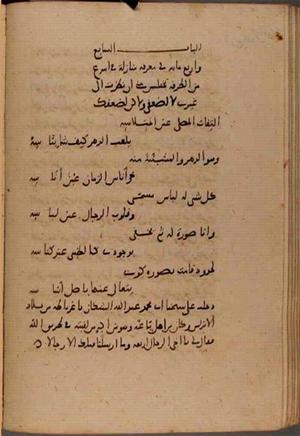
Manuscript imageManuscript volume 28 · Page 211

Arabic and English are linked by the same Konya page ID. Page alignment is approximate; consult the manuscript image for verification.

Cairo source reference

Ibn al-Arabi, The Meccan Revelations — Manuscript volume 28 · Page 211 — https://www.futmak.com/english/konya/pages.php?id=8537&text=both