
Futmak · الفتوحات المكية · Meccan Revelations

The Meccan Revelations

Manuscript volume 3 · Page 208

Konya manuscript

Open Arabic sourceOpen English translation

Arabic

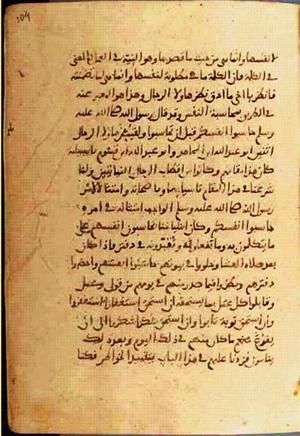
لأنفسها، وإنما هي من حيث ما قصد بها، وهو النية في العمل كالمعنى في الكلمة.

فإن الكلمة ما هي مطلوبة لنفسها وإنما هي لما تضمنته، فانظر يا أخي ما أدق نظر هٰؤلاء الرجال. وهٰذا هو المعبر عنه في الطريق بمحاسبة النفس، وقد قال رسول الله صلى الله عليه وسلم: «حاسبوا أنفسكم قبل أن تحاسبوا». ولقيت من هٰؤلاء الرجال اثنين، أبو عبد الله بن المجاهد وأبو عبد الله بن قسوم بإشبيلية، كان هٰذا مقامهم، وكانوا من أقطاب الرجال النياتيين.

(محاسبة الأقوال والأفعال والخواطر)

ولما شرعنا في هٰذا المقام تأسيا بهما وبأصحابه، وامتثالا لأمر رسول الله صلى الله عليه وسلم الواجب امتثاله في أمره «حاسبوا أنفسكم»، وكان أشياخنا يحاسبون أنفسهم على ما يتكلمون به وما يفعلونه ويقيدونه في دفتر، فإذا كان بعد صلاة العشاء وخلوا في بيوتهم حاسبوا أنفسهم وأحضروا دفاترهم ونظروا فيما صدر منهم في يومهم من قول وعمل وقابلوا كل عمل بما يستحقه، إن استحق استغفارا استغفروا وإن استحق توبة تابوا وإن استحق شكرا شكروا إلى أن يفرغ ما كان منهم في ذٰلك اليوم وبعد ذٰلك ينامون، فزدنا عليهم في هٰذا الباب بتقييد الخواطر.

فكنا
English

for themselves, but according to what is intended through them. Intention within an act is like meaning within a word.

A word is not sought for itself, but for what it contains. Consider, my brother, how subtle is these men’s discernment. This is what the path calls taking the soul to account. The Messenger of God, may God bless him and grant him peace, said: “Take yourselves to account before you are taken to account.” I met two of these men in Seville: Abu Abdullah ibn al-Mujahid and Abu Abdullah ibn Qassum. This was their station, and they were among the Poles of the people of intention.

(Taking Account of Words, Deeds, and Passing Thoughts)

When we entered this station, following their example and that of its other practitioners, and obeying the Messenger of God, may God bless him and grant him peace—whose command, “Take yourselves to account,” must be obeyed—our shaykhs would take account of what they said and did, recording it in a notebook. After the night prayer, when they were alone in their homes, they took themselves to account, brought out their notebooks, and examined the words and deeds that had proceeded from them that day. They met each deed with what it deserved: if it deserved asking forgiveness, they asked forgiveness; if it deserved repentance, they repented; if it deserved gratitude, they gave thanks. They continued until they had finished with everything that had come from them that day, and afterward they slept. We added to their practice in this respect by recording passing thoughts.

Thus we would

Manuscript imageManuscript volume 3 · Page 208

Arabic and English are linked by the same Konya page ID. Page alignment is approximate; consult the manuscript image for verification.

Cairo source reference

Ibn al-Arabi, The Meccan Revelations — Manuscript volume 3 · Page 208 — https://www.futmak.com/english/konya/pages.php?id=850&text=both