
Futmak · الفتوحات المكية · Meccan Revelations

The Meccan Revelations

Manuscript volume 28 · Page 149

Konya manuscript

Open Arabic sourceOpen English translation

Arabic

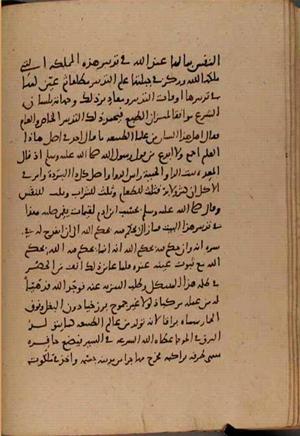
على قسمين، منهم من يحفظ عليه أدب اللسان، كأبي يزيد البسطامي، وسليمان الدنبلي.

ومنهم من تغلب عليه الشطحات، لتحققه بالحق، كعبد القادر، فيظهر العلو على أمثاله وأشكاله، وعلى من هو أعلى منه في مقامه، وهٰذا عندهم في الطريق سوء أدب، بالنظر إلى المحفوظ فيه.

وأما الذي يشطح بالله على الله، فذٰلك أكثر أدب مع الله، من الذي يشطح على أمثاله.

فإن الله يقبل الشطح عليه، لقبوله جميع الصور، والمخلوق لا يقبل الشطح عليه، لأنه مربوط بمقام إلهي عند الله، مجهول من الوجه الخاص.

فالشاطح عليه، قد يكذب، من غير قصد، ولا تعمد، وعلى الله، فما يكذب.

(مثال الهيولى العامة والصناعية)

كالهيولى الكل التي تقبل كل صورة في العالم، فأي صورة نسبت إليها، أو أظهرتها، صدقت في النسبة إليها، وصدق الظهور، فإن الصور تظهرها.

والهيولى الصناعية لا تقبل ذٰلك، وإنما تقبل صورا مخصوصة، فقد يمكن أن يجهل إنسان في النسبة إليها، فينسب إليها صورا لا تقبلها الهيولى الصناعية، هكذا هو الأمر فيما ذكرناه من الشطح على الله، والشطح على أهل الله، أصحاب المنازل.

وكان عبد القادر الجيلي رحمه الله، ممن يشطح على الأولياء والأنبياء، بصورة حق في حاله، فكان غير معصوم
English

are of two kinds. Some have the courtesy of the tongue preserved for them, such as Abu Yazid al-Bistami and Sulayman al-Dunbuli.

Others are overcome by ecstatic utterances because of their realization through the Real, such as ʿAbd al-Qadir. He displays superiority over his peers and equals, and over someone higher than himself in station. Among them upon the path, this is bad courtesy when compared with one preserved from it.

Someone who utters ecstatically through God against God, however, has greater courtesy toward God than one who utters against his peers.

God accepts ecstatic utterance against Himself because He accepts all forms. A creature does not accept ecstatic utterance against himself, because he is bound to a divine station with God, unknown through the particular face.

The one uttering against him may speak falsely without intention or deliberation. Against God, however, he does not speak falsely.

(The Example of Universal and Artisanal Matter)

It is like universal matter, which receives every form in the world. Whatever form you attribute to it or manifest through it, the attribution to it and the manifestation are true, for forms make it appear.

Artisanal matter does not receive this, but only particular forms. Someone may be ignorant in attributing forms to it and attribute forms that artisanal matter cannot receive. Such is the matter concerning what we have mentioned of ecstatic utterance against God and against the people of God who possess Abodes.

ʿAbd al-Qadir al-Jili, may God have mercy upon him, was among those who uttered ecstatically against friends of God and prophets, through a form true in his state. He was therefore not protected with respect to

Manuscript imageManuscript volume 28 · Page 149

Arabic and English are linked by the same Konya page ID. Page alignment is approximate; consult the manuscript image for verification.

Cairo source reference

Ibn al-Arabi, The Meccan Revelations — Manuscript volume 28 · Page 149 — https://www.futmak.com/english/konya/pages.php?id=8475&text=both