
Futmak · الفتوحات المكية · Meccan Revelations

The Meccan Revelations

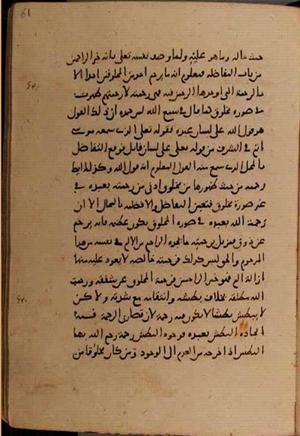
Manuscript volume 28 · Page 122

Konya manuscript

Open Arabic sourceOpen English translation

Arabic

حيث حاله وما هو عليه.

(خير الراحمين والتفاضل بالمحل)

ولما وصف نفسه تعالى بأنه ﴿خَيْرُ الرَّاحِمِينَ﴾ [المؤمنون: ١٠٩]، من باب المفاضلة، فمعلوم أنه ما يرحم أحد من المخلوقين أحدا، إلا بالرحمة التي أوجدها الرحمن فيه، فهي رحمته تعالى، لا رحمتهم، ظهرت في صورة مخلوق.

كما قال في «سمع الله لمن حمده»، إن ذٰلك القول هو قول الله على لسان عبده.

فقوله تعالى الذي سمعه موسى، أتم في الشرف، من قوله تعالى على لسان قائل، فوقع التفاضل بالمحل الذي سمع منه القول، المعلوم أنه قول الله.

وكذٰلك أيضا رحمته، من حيث ظهورها من مخلوق، أدنى من رحمته بعبده، في غير صورة مخلوق، فتعين التفاضل والأفضلية بالمحال.

(رحمة الشفقة والرحمة الخالصة)

إلا إن رحمة الله بعبده في صورة المخلوق، تكون عظيمة، فإنه يرحم عن ذوق، فيزيل برحمته ما يجده الراحم، من الألم في نفسه، من هٰذا المرحوم.

والحق ليس كذٰلك، فرحمته خالصة، لا يعود عليه منها إزالة ألم، فهو خير الراحمين، فرحمة المخلوق عن شفقة، ورحمة الله مطلقة.

بخلاف بطشه وانتقامه، مع شدته، ولكن لا يبطش بطشا لا يكون فيه رحمة، لأن قصارى الرحمة فيه إيجاده البطش بعبده، فوجود البطش رحمة رحم الله بها البطشَ، إذ أخرجه من العدم إلى الوجود.

ومن كان مخلوقا من
English

his own state and what he is upon.

(The Best of the Merciful and Superiority through the Locus)

Since He, exalted is He, described Himself as ﴿the Best of the merciful﴾ [al-Muʾminūn 23:109], by way of comparison, it is known that no creature shows mercy to another except through the mercy the All-Merciful brought into existence within him. It is therefore His mercy, exalted is He, rather than theirs, appearing in a created form.

Thus He said concerning ‘God hears whoever praises Him’ that this utterance is God's utterance upon His servant's tongue.

His utterance, exalted is He, which Moses heard is more perfect in nobility than His utterance upon the tongue of a speaker. Superiority therefore arises through the locus from which the utterance is heard, although it is known to be God's utterance.

Likewise, His mercy, insofar as it appears from a creature, is lower than His mercy toward His servant in a form other than a creature's. Difference in excellence and superiority are thus determined through the loci.

(The Mercy of Compassion and Pure Mercy)

Yet God's mercy toward His servant in a creature's form is immense, for that creature shows mercy through tasting. By his mercy he removes the pain he finds in himself, as the one showing mercy, on account of the one receiving it.

The Real is not like this. His mercy is pure: it does not return to Him in the removal of pain. He is therefore the Best of the merciful. The creature's mercy arises from compassion, whereas God's mercy is unrestricted.

This differs from His seizing and vengeance, despite their severity. Yet He does not seize with a seizure in which there is no mercy. At the very least, mercy within it consists in His bringing the seizure of His servant into existence. Thus the existence of the seizure is a mercy by which God showed mercy to the seizure, bringing it out of nonexistence into existence.

Whoever is created from

Manuscript imageManuscript volume 28 · Page 122

Arabic and English are linked by the same Konya page ID. Page alignment is approximate; consult the manuscript image for verification.

Cairo source reference

Ibn al-Arabi, The Meccan Revelations — Manuscript volume 28 · Page 122 — https://www.futmak.com/english/konya/pages.php?id=8448&text=both