
Futmak · الفتوحات المكية · Meccan Revelations

The Meccan Revelations

Manuscript volume 28 · Page 121

Konya manuscript

Open Arabic sourceOpen English translation

Arabic

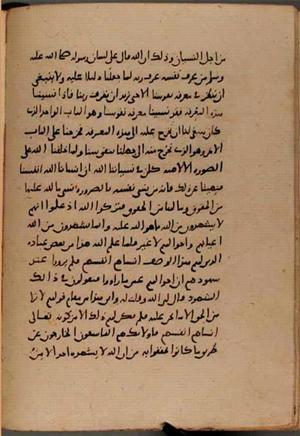
من أجل النسيان، وذٰلك أن الله قال على لسان رسول الله ص: «من عرف نفسه عرف ربه»، لما جعلنا دليلا عليه.

ولا ينبغي أن ننظر في معرفة نفوسنا، إلا حتى نريد أن نعرف ربنا.

فإذا نسينا هذه المعرفة، فقد نسينا معرفة نفوسنا، وهو الباب الواحد الذي كان ينبغي لنا أن نخرج عليه إلى هذه المعرفة، فخرجنا على الباب الآخر، وهو الذي نخرج منه إلى جهلنا بنفوسنا.

ولما خلقنا الله على الصورة الإلهية، كان في نسياننا الله أن أنسانا الله أنفسنا[44]، فنهينا عن ذٰلك، فإنه من نسي نفسه، بالضرورة نسي ما لله عليها من الحقوق، وما لها من الحقوق.

فتركوا الله، إذا علموا أنهم لا يشهدون من الله ما هو الله عليه، وإنما يشهدون من الله أعيانهم، وأحوالهم، لا غير.

فلما علم الله هٰذا من بعض عباده، الذين لهم هٰذا الوصف، أنساهم أنفسهم، فلم يروا عند شهودهم أن أحوالهم عين ما رأوا.

فيقولون في ذٰلك الشهود: قال لي الله وقلت له، وأين هٰذا من مقام قولهم: لا نرى من الحق إلا ما نحن عليه؟

فلم يكن لهم ذٰلك إلا من كونه تعالى أنساهم أنفسهم، ف ﴿أُولئِكَ هُمُ الْفاسِقُونَ﴾ [الحشر: ١٩]، الخارجون عن طريق ما كانوا تحققوا به، من أن الله لا يشهده أحدٌ إلّا من

Notes

[44]

(كان الرسم في النسخة السابقة «إن إنسانا الله أنفسنا»، وصُحّح إلى «أن أنسانا الله أنفسنا» بمقابلة الطبعة الجديدة (ج١٠، ص٨٨).)
English

on account of forgetting. God said through the tongue of the Messenger of God, God's blessings and peace be upon him, ‘Whoever knows himself knows his Lord,’ since He made us a proof of Him.

We should not consider the knowledge of ourselves until we wish to know our Lord.

When we forget this knowledge, we have forgotten the knowledge of ourselves. This is the one door through which we should have gone out toward this knowledge; instead, we have gone out through the other door, through which we emerge into ignorance of ourselves.

Since God created us in the divine form, our forgetting God entailed God's making us forget ourselves[44]. We were therefore forbidden this, for whoever forgets himself necessarily forgets God's rights over him and the rights belonging to himself.

They thus forsook God when they learned that what they witness of God is not what God is in Himself: what they witness of God is only their own entities and states, and nothing else.

When God knew this of some of His servants possessing this description, He made them forget themselves. Thus, in their witnessing, they did not see that their states were identical to what they saw.

In that witnessing they therefore say, ‘God said to me, and I said to Him.’ How far this is from the station of their saying, ‘We see nothing of the Real but what we ourselves are upon’!

They had this only because He, exalted is He, made them forget themselves. Thus ﴿those are the transgressors﴾ [al-Ḥashr 59:19], departing from the way of what they had realized: that no one witnesses God except in terms of

Notes

[44]

(The previous version read ‘in insānā Allāh anfusanā’; this was corrected to ‘an ansānā Allāh anfusanā’ [that God made us forget ourselves] by comparison with the new edition, vol. 10, p. 88.)

Manuscript imageManuscript volume 28 · Page 121

Arabic and English are linked by the same Konya page ID. Page alignment is approximate; consult the manuscript image for verification.

Cairo source reference

Ibn al-Arabi, The Meccan Revelations — Manuscript volume 28 · Page 121 — https://www.futmak.com/english/konya/pages.php?id=8447&text=both