
Futmak · الفتوحات المكية · Meccan Revelations

The Meccan Revelations

Manuscript volume 28 · Page 117

Konya manuscript

Open Arabic sourceOpen English translation

Arabic

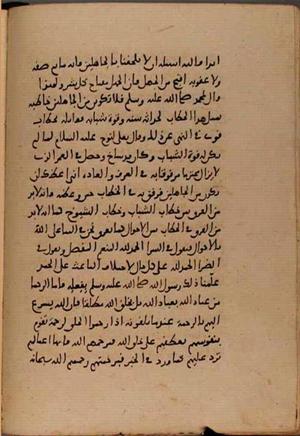
أبدا.

فالله أسأله أن لا يلحقنا بالجاهلين، فإنه ما ثم صفة ولا عقوبة أقبح من الجهل[40]، فإن الجهل مفتاح كل شر.

(اختلاف الخطاب بحسب السن والحال)

ولهٰذا قال لمحمد ص: ﴿فَلا تَكُونَنَّ من الْجاهِلِينَ﴾ [الأنعام: ٣٥]، خاطبه بمثل هٰذا الخطاب، لحداثة سنه، وقوة شبابه، فقابله بخطاب قوي في النهي عن ذٰلك.

وقال تعالى لنوح ع، لما لم يكن له قوة الشباب، وكان قد شاخ، وحصل في العمر الذي لا يزال فيه محترما مرفوقا به، في العرف والعادة: ﴿إِنِّي أَعِظُكَ أَنْ تَكُونَ من الْجاهِلِينَ﴾ [هود: ٤٦]، فرفق به في الخطاب، حين وعظه.

فإنه لا بد من الفرق بين خطاب الشباب وخطاب الشيوخ، كما أنه لا بد من الفرق في الخطاب بين الأحوال، كما نفرق نحن في الثناء على الله بالأحوال، فنقول في خطاب السراء: «الحمد لله المنعم المفضل»، ونقول في الضراء: «الحمد لله على كل حال»، لاختلاف الباعث على الحمد، علمنا ذٰلك رسول الله ص، بفعله.

(رحمة الخلق ورد الأعمال)

فأما الرحماء من عباد الله بعباد الله، بل بخلق الله مطلقا، فإن الله يسرع إليهم بالرحمة عندما يلقونه، إذا رحموا الخلق لرحمة تقوم بنفوسهم، بعطفهم على خلق الله، فيرحمهم الله، فإنها أعمالهم ترد عليهم، كما ورد في الخبر، فبرحمتهم رحمهم الله سبحانه.

Notes

[40]

(كان الرسم في النسخة السابقة «عتوبة»، وصُحّح إلى «عقوبة» بمقابلة الطبعة الجديدة (ج١٠، ص٨٦).)
English

ever.

So I ask God not to join us to the ignorant, for there is no attribute or punishment uglier than ignorance[40]; ignorance is the key to every evil.

(Address Differing According to Age and State)

For this reason He said to Muḥammad, God's blessings and peace be upon him: ﴿So do not be among the ignorant﴾ [al-Anʿām 6:35]. He addressed him in this manner because of his youth and the vigor of his young age, meeting him with a forceful address forbidding this.

But to Noah, peace be upon him, who no longer had the vigor of youth, had grown old, and had reached the age at which custom and habit require that one continue to be respected and treated gently, He, exalted is He, said: ﴿I admonish you lest you be among the ignorant﴾ [Hūd 11:46]. He treated him gently in His address when He admonished him.

For a distinction must be made between addressing the young and addressing the old, just as a distinction must be made in address according to states. Thus we ourselves distinguish between states when praising God: in addressing Him amid prosperity, we say, ‘Praise belongs to God, the Bestower of blessings and favor,’ whereas in adversity we say, ‘Praise belongs to God in every state,’ because the motive for praise differs. The Messenger of God, God's blessings and peace be upon him, taught us this through his practice.

(Mercy toward Creatures and the Return of Deeds)

As for those servants of God who are merciful toward God's servants—indeed, toward God's creatures without qualification—God hastens toward them with mercy when they meet Him, if they have shown mercy to creatures through a mercy abiding in their souls, in their tenderness toward God's creatures. God then shows them mercy, for it is their own deeds that are returned to them, as the report states. Thus it is through their mercy that God, glorified is He, has mercy on them.

Notes

[40]

(The previous version read ‘ʿutūba’; this was corrected to ‘ʿuqūba’ [punishment] by comparison with the new edition, vol. 10, p. 86.)

Manuscript imageManuscript volume 28 · Page 117

Arabic and English are linked by the same Konya page ID. Page alignment is approximate; consult the manuscript image for verification.

Cairo source reference

Ibn al-Arabi, The Meccan Revelations — Manuscript volume 28 · Page 117 — https://www.futmak.com/english/konya/pages.php?id=8443&text=both