
Futmak · الفتوحات المكية · Meccan Revelations

The Meccan Revelations

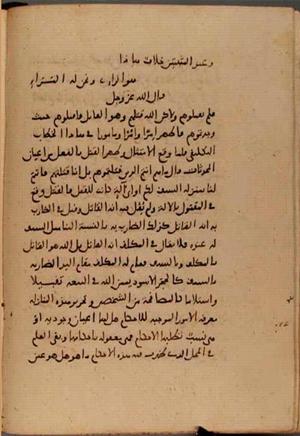
Manuscript volume 28 · Page 107

Konya manuscript

Open Arabic sourceOpen English translation

Arabic

وعِنْدَ المثبتين خلاف هٰذا

هو الرائي ونحن له المرائي

(الفعل والآلة ونسبة القتل)

قال الله عز وجل: ﴿فَلَمْ تَقْتُلُوهُمْ ولكِنَّ الله قَتَلَهُمْ﴾ [الأنفال: ١٧]، وهو القائل: ﴿واقْتُلُوهُمْ حَيْثُ وَجَدْتُمُوهُمْ﴾ [النساء: ٨٩]، فأظهر آمرا، وأمرا، ومأمورا في هٰذا الخطاب التكليفي.

فلما وقع الامتثال، وظهر القتل بالفعل من أعيان المحدثات، قال: ما هم أنتم الذين قتلتموهم، بل أنا قتلتهم[38]، فأنتم لنا بمنزلة السيف لكم، أو أي آلة كانت للقتل.

فالقتل وقع في المقتول بالآلة، ولم يقل فيه إنه القاتل، وقيل في الضارب به إنه القاتل، كذٰلك الضارب به بالنسبة إلينا، مثل السيف له عنده.

فلا يقال في المكلف إنه القاتل، بل الله هو القاتل بالمكلف وبالسيف، فقام له المكلف مقام اليد الضاربة بالسيف، كالحجر الأسود يمين الله في البيعة، تقبيلا واستلاما، كالمصافحة من الشخصين.

(الأحكام ومحل ظهورها)

وتحرير هذه المنازلة معرفة الأمور الموجبة للأحكام، هل لها أعيان وجودية، أو هي نسب تطلبها الأحكام، فهي معقولة بأحكامها؟

وبقي العلم في المحل الذي ظهرت فيه هذه الأحكام، ما هو، هل هو عين

Notes

[38]

(هذه العبارة شرح المؤلف لمعنى الآية التي افتتح بها؛ لم توضع بين علامتي النص القرآني.)
English

Those who affirm hold the opposite:

He is the Seer, and we are His mirrors.

(Action, the Instrument, and the Attribution of Killing)

God, mighty and majestic is He, said, “You did not kill them, but God killed them” [al-Anfāl 8:17]. He is the One who said, “Kill them wherever you find them” [al-Nisāʾ 4:89]. Within this address imposing duties He thus manifested a commander, a command, and one commanded.

When compliance occurred and killing appeared in action from the entities of temporally originated beings, He said: It was not you who killed them; rather, I killed them.[38] You stand toward Us as the sword stands toward you, or whatever instrument is used for killing.

The killing occurred within the slain through the instrument, yet the instrument was not called the killer. The one striking with it was called the killer. Likewise, the one striking with it stands toward Us as, for him, the sword stands toward him.

The responsible person is therefore not called the killer. Rather, God is the killer through the responsible person and the sword. For Him, the responsible person stands in the place of the hand striking with the sword, like the Black Stone as God's right hand in the pledge of allegiance: kissing and touching it are like the handclasp of two persons.

(Rulings and the Locus of Their Appearance)

Clarifying this mutual encounter consists in knowing the affairs that necessitate rulings: do they possess existent entities, or are they relations demanded by the rulings and therefore intelligible through their rulings?

There remains knowledge of the locus within which these rulings appear: what is it? Is it the entity

Notes

[38]

(This expression is the author's explanation of the meaning of the verse with which he opened. It has not been placed within the marks used for Qurʾanic text.)

Manuscript imageManuscript volume 28 · Page 107

Arabic and English are linked by the same Konya page ID. Page alignment is approximate; consult the manuscript image for verification.

Cairo source reference

Ibn al-Arabi, The Meccan Revelations — Manuscript volume 28 · Page 107 — https://www.futmak.com/english/konya/pages.php?id=8433&text=both