The Meccan Revelations

Manuscript volume 3 · Page 188

Konya manuscript

Open Arabic sourceOpen English translation

Arabic

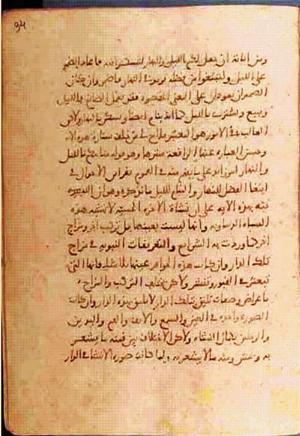
ومن رَحْمَتِهِ جَعَلَ لَكُمُ اللَّيْلَ والنَّهارَ لِتَسْكُنُوا فِيهِ﴾ [القصص: ٧٣]، فأعاد الضمير على الليل، ﴿ولِتَبْتَغُوا من فَضْلِهِ﴾، يريد في النهار فأضمر. وإن كان الضميران يعودان على المعنى المقصود، فقد يعمل الصانع بالليل ويبيع ويشتري بالليل، كما أنه ينام أيضا ويسكن بالنهار، ولكن الغالب في الأمور هو المعتبر.

فلاح لي من خلف ستارة هذه الآية وحسن العبارة عنها الرافعة سترها، وهو قوله: ﴿مَنامُكُمْ بِاللَّيْلِ والنَّهارِ﴾ [الروم: ٢٣]، أمر زائد على ما يفهم منه في العموم بقرائن الأحوال في ابتغاء الفضل للنهار والمنام لليل، ما نذكره.

(اختلاف نشأة الآخرة عن نشأة الدنيا)

وهو أن الله نبه بهذه الآية على إن نشأة الآخرة الحسية لا تشبه هذه النشأة الدنياوية، وإنها ليست بعينها بل تركيب آخر ومزاج آخر، كما وردت به الشرائع والتعريفات النبوية في مزاج تلك الدار. وإن كانت هذه الجواهر عينها بلا شك، فإنها التي تبعثر في القبور وتنشر.

ولكن يختلف التركيب والمزاج بأعراض وصفات تليق بتلك الدار لا تليق بهذه الدار، وإن كانت الصورة واحدة في العين والسمع والأنف والفم واليدين والرجلين بكمال النشأة. ولكن الاختلاف بين، فمنه ما يشعر به ويحس ومنه ما لا يشعر به.

ولما كانت صورة الإنشاء في الدار
English

Out of His mercy He made night and day for you, that you might rest therein” [al-Qasas 28:73]. He referred the pronoun back to night. “And that you might seek of His bounty”: He means during the day, leaving that implicit. Although the two pronouns refer to the intended meaning, a craftsman may work at night, buying and selling at night, just as he may also sleep and rest during the day. Yet what predominates in affairs is what is taken into account.

From behind the curtain of this verse, through the beautiful expression that lifts its veil—His saying, “your sleep by night and day” [al-Rum 30:23]—there appeared to me something beyond the usual understanding derived from the circumstances, namely seeking bounty by day and sleep by night. We shall mention it.

(The Difference between the Constitution of the Hereafter and That of This World)

Through this verse God draws attention to the fact that the sensible constitution of the Hereafter does not resemble this worldly constitution. It is not identical to it, but is another composition and another temperament, as the revealed Laws and prophetic disclosures concerning the temperament of that abode have conveyed. The substances themselves are undoubtedly the same, for they are those stirred up in the graves and raised forth.

The composition and temperament differ, however, through accidents and attributes appropriate to that abode but inappropriate to this one. The form remains the same in its eyes, hearing, nose, mouth, hands, and feet, with the constitution complete. Yet the difference is evident: some of it is perceived and sensed, while some is not perceived.

Since the form of the constitution in the abode of

Manuscript imageManuscript volume 3 · Page 188

Arabic and English are linked by the same Konya page ID. Page alignment is approximate; consult the manuscript image for verification.

Cairo source reference

Ibn al-Arabi, The Meccan Revelations — Manuscript volume 3 · Page 188 — https://www.futmak.com/english/konya/pages.php?id=830&text=both