The Meccan Revelations

Manuscript volume 27 · Page 208

Konya manuscript

Open Arabic sourceOpen English translation

Arabic

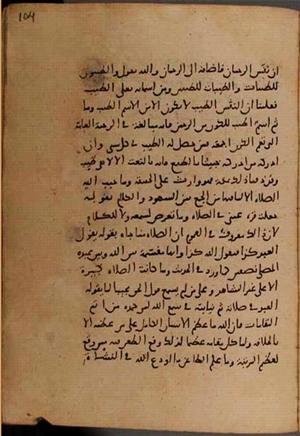
«إني لأجد نَفَس الرحمن» فأضافه إلى الرحمن، والله يقول: ﴿والطَّيِّباتُ لِلطَّيِّبِينَ والطَّيِّبُونَ لِلطَّيِّباتِ﴾ [النور: ٢٦] ومن أسمائه تعالى الطيب[92].

فعلمنا أن النَّفَس الطيب لا يكون إلا من الاسم الطيب، وما ثم اسم أطيب للكون من الرحمن فإنه مبالغة في الرحمة العامة التي تعم الكون أجمعه. فمن حصل له الطيب في كل شيء وإن أدركه من أدركه خبيثا بالطبع، فإنه بالنعت الإلهي طيب، وقد ذقنا ذٰلك بمكة، فهو وارث على الحقيقة.

(الصلاة بين الشهود والكلام)

وما حبب إليه الصلاة إلا لما فيها من الجمع بين الشهود والكلام بقوله: «جعلت قرة عيني في الصلاة». وما تعرض لسمعه ولا للكلام لأن ذٰلك معروف في العموم أن الصلاة مناجاة، بقوله: «يقول العبد كذا فيقول الله كذا»، وأنها مقسمة بين الله وبين عبده المصلي نصفين كما ورد في الحديث. وما كانت الصلاة كبيرة إلا على غير المشاهد وعلى من لم يسمع قول الحق مجيبا لما يقوله العبد في صلاته.

(الخلافة والنيابة في الصلاة)

ثم نيابته في قوله: «سمع الله لمن حمده» من أتم المقامات؛ فإن الله ما عظم الإنسان الكامل على من عظمه إلا بالخلافة، ولما كان مقامه عظيما لذٰلك وقع الطعن فيه ممن وقع، لعظيم المرتبة، وما علم الطاعن ما أودع الله في النشأة

Notes

[92]

(يصل المؤلف هنا بين الطيب الحسي والأنفاس والاسم الإلهي، ولذلك يُقرأ «النَّفَس» في سياق الأنفاس، لا «النَّفْس».)
English

“I indeed find the Breath of the All-Merciful,” attributing it to the All-Merciful. God says, “The good things are for the good, and the good are for the good things” [al-Nur 24:26]. Among His Names Most High is the Good[92].

We thus know that the good breath comes only from the Name the Good. There is no Name more goodly for the cosmos than the All-Merciful, for it intensifies the universal mercy encompassing the entire cosmos. Whoever finds goodness of fragrance in everything, even if another perceives it as foul by nature, finds it good through the divine attribute. We have tasted this in Mecca. He is therefore an heir in truth.

(Prayer between Witnessing and Speech)

Prayer was made beloved to him only because it combines witnessing and speech, through his saying, “The delight of my eye has been placed in prayer.” He did not mention his hearing or speech, for it is generally known that prayer is intimate discourse, through his saying, “The servant says such-and-such, and God says such-and-such,” and that it is divided into two halves between God and His praying servant, as the report relates. Prayer is burdensome only for one who does not witness, and for one who does not hear the Real’s speech answering what the servant says in his prayer.

(Vicegerency and Delegation in Prayer)

Then his delegation in saying, “God hears whoever praises Him,” is among the most complete stations. God has exalted the Perfect Human Being above those over whom He exalted him only through vicegerency. Since his station is great on this account, those who criticized it did so because of the greatness of the rank. The critic did not know what divine perfection God had deposited in the human

Notes

[92]

(The author here connects sensible fragrance, breaths, and the divine Name. The word is therefore read as nafas, “breath,” in the context of breaths, not nafs, “self.”)

Manuscript imageManuscript volume 27 · Page 208

Arabic and English are linked by the same Konya page ID. Page alignment is approximate; consult the manuscript image for verification.

Cairo source reference

Ibn al-Arabi, The Meccan Revelations — Manuscript volume 27 · Page 208 — https://www.futmak.com/english/konya/pages.php?id=8252&text=both