
Futmak · الفتوحات المكية · Meccan Revelations

The Meccan Revelations

Manuscript volume 27 · Page 204

Konya manuscript

Open Arabic sourceOpen English translation

Arabic

ذٰلك الخبر فقد علمه، أي علم ما تصوره ذٰلك المخبر، سواء كان كذبا ذٰلك الخبر أو صدقا، فهو ورث بلا شك.

ألا تراه ص قد قال: «من حدث بحديث يرى أنه كذب فهو أحد الكاذبين»؟ لأنه قد ورث منه الكذب، وصار حكمه حكم الكاذب كما صار حكم الوارث في المال حكم من مات عنه وخلفه.

ولما عمم بالألف واللام العلماء دخل فيه قوله: ﴿حَتَّى نَعْلَمَ﴾، ولما عم بالألف واللام الأنبياء، دخل فيه كل مخبر بنطق أو بحال؛ لأنه من ظهر لعينك بعد أن لم يكن ظاهرا فقد أخبرك بظهوره أنه ظهر لك.

حتى لو قال لك: «قد ظهرت لك»، لم يفدك علما بظهوره، وإنما أفادك علما بقوله لك، أي من أجلك ظهر لعينك.

(معنيا وراثة العلماء للأنبياء)

فالمفهوم الأول القرب الظاهر النازل منزلة النص عند أهل الظاهر أن «العلماء ورثة الأنبياء» الذين هم المخبرون عن الله؛ وبالمفهوم الثاني الذي لا يقدح فيه المفهوم الأول، إن العلماء ورثة المخبرين بما أخبروا به كانوا من كانوا.

(ما يختص بالعلم الموروث عن النبوة)

لكن العلم الموروث من الأنبياء ع ليس هو العلم الذي تستقل بإدراكه العقول والحواس دون الأخبار، فإن ذٰلك لا يكون وراثة، وإنما الذي يرثه العلماء من الأنبياء (هو) ما لا تستقل العقول من حيث نظرها بإدراكه.

وأما ما ورثته من الأنبياء من العلم الإلهي فهو ما تحيله العقول بأدلتها[89]؛ وأما ما تجوزه العقول فتعين لها الأنبياء أحد الجائزين مثل قول إبراهيم:

Notes

[89]

(صُوِّب «تحلئة» إلى «تحيله» بمقابلة الطبعة الجديدة.)
English

that report knows it—that is, he knows what that reporter has conceived, whether the report is false or true. He has therefore inherited, without doubt.

Do you not see that he, God’s blessings and peace be upon him, said, “Whoever relates a report that he considers false is one of the liars”? For he has inherited falsehood from him, and his ruling becomes that of the liar, just as the heir’s ruling concerning property becomes that of the one who died and left it.

Since he made “the scholars” universal through the alif and lām, His saying, “Until We know,” enters within it. Since he made “the prophets” universal through the alif and lām, every reporter through speech or state enters within it. For someone who appears to your eye after not having been apparent has informed you, by his appearance, that he has appeared to you.

Even if he said to you, “I have appeared to you,” he would not give you knowledge of his appearance, but only knowledge of his saying to you—that is, that he appeared to your eye for your sake.

(The Two Meanings of the Scholars’ Inheriting from the Prophets)

The first, immediate, apparent understanding, which the people of the outward regard as equivalent to an explicit text, is that “the scholars are the heirs of the prophets,” who report from God. According to the second understanding, which the first does not invalidate, scholars are the heirs of reporters in what they report, whoever those reporters may be.

(What Is Peculiar to Knowledge Inherited from Prophethood)

Yet the knowledge inherited from the prophets, peace be upon them, is not the knowledge that intellects and senses can perceive independently without reports, for that would not be inheritance. What scholars inherit from the prophets is only what intellects cannot independently perceive through their reflection.

As for the divine knowledge you inherit from the prophets, it is what intellects deem impossible through their proofs[89]. As for what intellects allow as possible, the prophets specify for them one of the two possibilities, as in Abraham’s saying,

Notes

[89]

(The corrupt spelling tḥlʾh was corrected to tuḥīluhu, “deem it impossible,” by comparison with the new edition.)

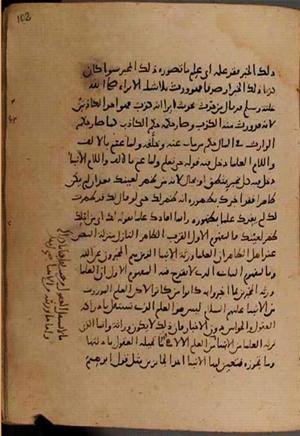
Manuscript imageManuscript volume 27 · Page 204

Arabic and English are linked by the same Konya page ID. Page alignment is approximate; consult the manuscript image for verification.

Cairo source reference

Ibn al-Arabi, The Meccan Revelations — Manuscript volume 27 · Page 204 — https://www.futmak.com/english/konya/pages.php?id=8248&text=both