The Meccan Revelations

Manuscript volume 26 · Page 8

Konya manuscript

Open Arabic sourceOpen English translation

Arabic

ما آخذهم الله بإعراضهم ولا بتوليهم عنها؛ فإن الله عليم حكيم عادل.

(إنصاف النفس وإعطاء الحقوق)

ومن تأخر عن حق غيره إلى ما يستحقه في نفسه، فقد أنصف من نفسه ولم يتوجه لصاحب حق عليه طلب؛ فحاز الخير بكلتي يديه فوقفه الله على جوامع الخير كله؛ فإنه من أوتي الحكمة ﴿فَقَدْ أُوتِيَ خَيْراً كَثِيراً﴾ [البقرة: ٢٦٩]؛ فإن الحكيم هو الذي ينزل كل شيء في مرتبته ويعطي كل ذي حق حقه؛ فله الحجة البالغة والكلمة الدامغة ولم تنقطع مشاهدته ولم تتأخر المعونة الإلهية في عبادته عن مساعدته.

(العبد والمِلْك)

فإنا فرضناه عبدا لسيد[2]، ما فرضناه مِلْكا؛ فإن المِلْك قد يكون فيمن يعقل عبوديته وفيمن لا يعقلها فالعبد حاله السمع والطاعة لسيده. وما عدا العبد فهو مِلْك يتصرف فيه المالك كيف يشاء من غير أن يتعلق به ثناء بعدم منعه من التصرف فيه بخلاف من يعقل، وهو العبد.

فإذا قام في تصريف الحق فيه مقام الأموال، أثنى الله عليه بذٰلك؛ لأن الله قد خصه في نشأته بقوة المنع والرد لكلمة الحق ومكنه من الطاعة والمعصية؛ فهو لما استعمله من ذٰلك، فوقع الثناء عليه كما أثنى الله على الملائكة بقوله: ﴿لا يَعْصُونَ الله ما أَمَرَهُمْ

Notes

[2]

(يميز السياق بين العبد الذي يعقل الخطاب ويؤمر بالطاعة، وبين المِلْك من حيث مجرد تصرف المالك فيه.)
English

God would not have taken them to account for turning away or departing from it. God is Knowing, Wise, and Just.

(Fairness Toward Oneself and Rendering Dues)

Whoever withdraws from another’s due to what he deserves within himself has been fair toward himself, and no possessor of a due directs a claim against him. He grasps good with both hands, and God acquaints him with all-comprehensive good. Whoever is given wisdom ‘has been given much good’ [al-Baqara 2:269]. The wise person places everything in its rank and gives everyone with a due his due. He possesses the conclusive argument and decisive word. His witnessing is not interrupted, and divine aid does not delay in assisting his worship.

(The Servant and Property)

We have posited him as a servant to a master,[2] not as property. Property may include one who understands his servanthood and one who does not. The servant’s state is listening and obedience to his master. What is other than the servant is property over which the owner exercises disposition as he wills, without praise attaching to it for not preventing his disposal over it, unlike one who understands, namely the servant.

When he takes the place of properties in the Real’s exercising disposition over him, God praises him for this. God has singled him out in his constitution with the power to prevent and reject the Real’s word, enabling him for obedience and disobedience. His condition accords with whichever of these he employs. Praise therefore falls upon him, as God praised the angels through His saying, ‘They do not disobey God in what He commands them

Notes

[2]

(The context distinguishes the servant who understands the address and is commanded to obey from property insofar as it is merely subject to its owner’s disposal.)

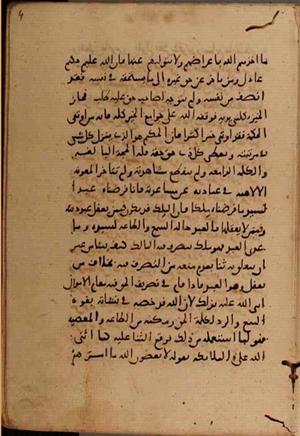
Manuscript imageManuscript volume 26 · Page 8

Arabic and English are linked by the same Konya page ID. Page alignment is approximate; consult the manuscript image for verification.

Cairo source reference

Ibn al-Arabi, The Meccan Revelations — Manuscript volume 26 · Page 8 — https://www.futmak.com/english/konya/pages.php?id=7756&text=both