The Meccan Revelations

Manuscript volume 26 · Page 7

Konya manuscript

Open Arabic sourceOpen English translation

Arabic

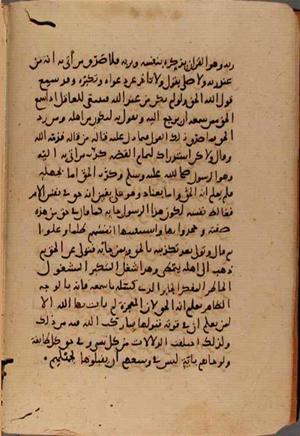
ربه وهو القرآن يذكره بنفسه وبربه: ﴿فَلا صَدَّقَ﴾ من أتى به أنه من عند ربه ﴿ولا صَلَّى﴾ [القيامة: ٣١]، يقول: ولا تأخر عن دعواه وتكبره، وقد سمع قول الله الحق.

ولو لم يكن من عند الله فينبغي للعاقل إذا سمع الحق ممن سمعه، أن يرجع إليه ويقول به ليكون من أهله؛ ومن رد الحق فما صدق ذٰلك القول فيما دل عليه قاله من قاله.

فذمه الله وقال: «ولكن» ـ استدراك لتمام القصة ـ «كذب» من أتى به إليه وهو الرسول ص. وكذب الحق: إما بجهله فلم يعلم أنه الحق وإما بعناد وهو على يقين أنه حق في نفس الأمر؛ فغالط نفسه لكون هٰذا الرسول جاء به، كما قال في حق من هذه صفته: ﴿وجَحَدُوا بِها واسْتَيْقَنَتْها أَنْفُسُهُمْ ظُلْماً وعُلُوًّا﴾ [النمل: ١٤].

ثم قال: «وتولى» [القيامة: ٣٢] بعد تكذيبه بالحق وبمن جاء به، فتولى عن الحق: ﴿ثُمَّ ذَهَبَ إِلى أَهْلِهِ يَتَمَطَّى﴾ [القيامة: ٣٣]. وهٰذا شغل المتكبر المشغول الخاطر المفكر الحائر الذي كسله ما سمعه؛ فإنه بالوجه الظاهر يعلم أنه الحق؛ لأن المعجزة لم يأت بها الله إلا لمن يعلم أن في قوته قبولها بما ركب الله فيه من ذٰلك. ولذٰلك اختلفت الدلالات من كل نبي وفي حق كل طائفة ولو جاءهم بآية ليس في وسعهم أن يقبلوها لجهلهم
English

the Qurʾan reminding him of himself and his Lord? ‘He neither affirmed’ the one bringing it as from his Lord ‘nor prayed’ [al-Qiyama 75:31]—that is, did not withdraw from his claim and pride, though he had heard God’s truthful saying.

Even were it not from God, the intelligent person, on hearing truth from whoever he hears it, should return to it and affirm it so as to belong to its people. Whoever rejects truth has not affirmed what that saying indicates, whoever said it.

God blamed him and said, ‘But’—a qualification completing the story—‘he declared false’ the one bringing it to him, the Messenger, God’s blessings and peace be upon him. He declared the truth false either through ignorance, not knowing it was truth, or through obstinacy, certain it was truth in the actual affair. He deceived himself because this Messenger brought it, as He said concerning one of this attribute, ‘They denied them, though their souls were certain of them, through wrongdoing and self-exaltation’ [al-Naml 27:14].

Then He said, ‘And turned away’ [al-Qiyama 75:32], after his denying the truth and the one bringing it. He turned from the truth: ‘Then went to his family, strutting’ [al-Qiyama 75:33]. This is the behavior of the proud person, preoccupied, reflecting, and bewildered, whom what he heard made sluggish. Outwardly he knows it is truth, since God brings a miracle only to one He knows possesses the power to accept it through what God has placed within him. For this reason indications differ with each prophet and each group. Had He brought them a sign they lacked the capacity to accept through their ignorance,

Manuscript imageManuscript volume 26 · Page 7

Arabic and English are linked by the same Konya page ID. Page alignment is approximate; consult the manuscript image for verification.

Cairo source reference

Ibn al-Arabi, The Meccan Revelations — Manuscript volume 26 · Page 7 — https://www.futmak.com/english/konya/pages.php?id=7755&text=both