
Futmak · الفتوحات المكية · Meccan Revelations

The Meccan Revelations

Manuscript volume 25 · Page 204

Konya manuscript

Open Arabic sourceOpen English translation

Arabic

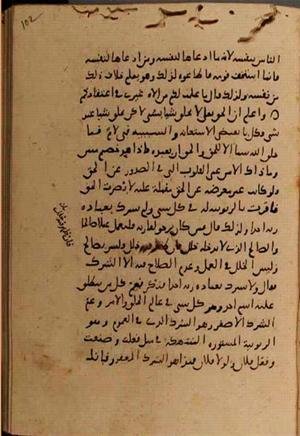
الناس بنفسه، لأنه ما ادعاها لنفسه.

ومن ادعاها لنفسه فإنما ﴿استخف قَوْمَهُ فَأَطاعُوهُ﴾ [الزخرف: ٥٤] لذٰلك، وهو يعلم خلاف ذٰلك من نفسه، ولذٰلك قال: ﴿ما عَلِمْتُ لَكُمْ من إِلهٍ غَيْرِي﴾ [القصص: ٣٨]، أي في اعتقادكم.

(لام الحكمة)

واعلم أن الحق تعالى لا يخلق شيئا بشيء، لكن يخلق شيئا عند شيء[24]، فكل ما يقتضي الاستعانة والسببية فهي لام الحكمة، فما خلق الله شيئا إلا للحق، والحق أن يعبده، ﴿فَإِذا هُوَ خَصِيمٌ مُبِينٌ﴾.

وما ذاك إلا من عمى القلوب ﴿الَّتِي في الصُّدُورِ﴾ [الحج: ٤٦] عن الحق، فلو كانت غير معرضة عن الحق مقبلة عليه لأبصرت الحق، فأقرت بالربوبية له في كل شيء ولم يشرك بعبادة ربه أحدا.

ولذٰلك قال: ﴿فَمَنْ كانَ يَرْجُوا لِقاءَ رَبِّهِ فَلْيَعْمَلْ عَمَلًا صالِحاً﴾، والصالح (هو) الذي لا يدخله خلل، فإن ظهر فيه خلل فليس بصالح، وليس الخلل في العمل وعدم الصلاح فيه إلا الشرك. فقال: ﴿ولا يُشْرِكْ بِعِبادَةِ رَبِّهِ أَحَداً﴾ [الكهف: ١١٠]، فنكر فعم كل من ينطلق عليه اسم أحد، وهو كل شيء في عالم الخلق والأمر.

(الشرك والحقوق)

وعم الشرك الأصغر، وهو الشرك الذي في العموم، وهو الربوبية المستورة المنتهكة في مثل «فعلت» «وصنعت، وفعل فلان» «ولولا فلان»، فهٰذا هو الشرك المغفور، فإنك

Notes

[24]

(بهذا الفرق يشرح المؤلف الباء في «بالحق» ولام الحكمة، ثم يعود إلى نفي التعليل عن الخلق.)
English

concerning himself, because he did not claim it for himself.

Whoever claims it for himself only ‘made light of his people, and they obeyed him’ [al-Zukhruf 43:54] for that reason, while knowing the contrary of himself. For this reason he said, ‘I know of no god for you other than me’ [al-Qasas 28:38]—that is, in your belief.

(The Lām of Wisdom)

Know that the Real Most High does not create a thing by means of a thing, but creates a thing in the presence of another thing[24]. Every expression implying assistance and causality is therefore a lām of wisdom. God created no thing except for the Real, and what is right is that it worship Him. Yet ‘behold, he is a manifest disputant.’

This comes only from the blindness of hearts ‘within the breasts’ [al-Hajj 22:46] to the Real. Had they not turned away from the Real, but turned toward Him, they would have seen the Real, acknowledged His Lordship in everything, and associated no one in worshipping their Lord.

For this reason He said, ‘Whoever hopes to meet his Lord, let him perform a sound deed.’ What is sound admits no impairment; if impairment appears in it, it is not sound. Impairment and the absence of soundness in the deed are nothing but association. He therefore said, ‘And let him associate no one in worshipping his Lord’ [al-Kahf 18:110]. By leaving “anyone” indefinite He made it encompass everyone to whom the name “anyone” applies: every thing within the world of creation and command.

(Association and Rights)

He also encompassed lesser association, the association found among the generality: concealed Lordship that is violated in such sayings as “I did,” “I made,” “So-and-so did,” and “Were it not for so-and-so.” This is the forgiven association, for when you

Notes

[24]

(Through this distinction the author explains the bāʾ in «بالحق», “through the Real,” and the lām of wisdom, then returns to denying causal explanation of creation.)

Manuscript imageManuscript volume 25 · Page 204

Arabic and English are linked by the same Konya page ID. Page alignment is approximate; consult the manuscript image for verification.

Cairo source reference

Ibn al-Arabi, The Meccan Revelations — Manuscript volume 25 · Page 204 — https://www.futmak.com/english/konya/pages.php?id=7652&text=both