
Futmak · الفتوحات المكية · Meccan Revelations

The Meccan Revelations

Manuscript volume 25 · Page 8

Konya manuscript

Open Arabic sourceOpen English translation

Arabic

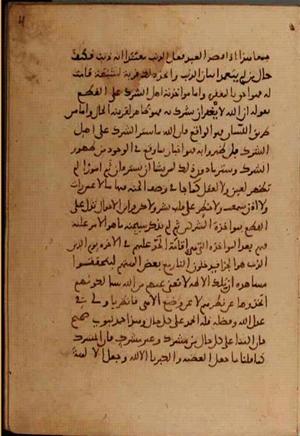
جَمِيعاً﴾ [الزمر: ٥٣].

هٰذا إذا قصد العبد فعل الذنب معتقدا أنه ذنب، فكيف حال من لم يتعمد إتيان الذنب واتخذ ذٰلك قربة لشبهة قامت له؟ فهو أحق بالمغفرة.

(قرائن المؤاخذة وما بعدها)

وأما مؤاخذته أهل الشرك على القطع بقوله: ﴿إِنَّ الله لا يَغْفِرُ أَنْ يُشْرَكَ به﴾ [النساء: ٤٨] فهو ظاهر لقرينة الحال.

وأما من طريق اللسان فهو الواقع، فإن الله ما ستر الشرك على أهل الشرك، بل ظهروا به، فهو إخبار بما وقع في الوجود من ظهور الشرك وستر ما دون ذٰلك لمن يشاء أن يستر.

فإن ثم أمورا لم تظهر لعين ولا لعقل، كما جاء في وصف الجنة: «فيها ما لا عين رأت ولا أذن سمعت ولا خطر على قلب بشر».

ولكن قرائن الأحوال تدل على القطع بمؤاخذة المشركين، ثم لم يذكر سبحانه ما هو الأمر عليه فيهم بعد المؤاخذة التي هي إقامة الحد عليهم في الآخرة، يوم الدين الذي هو الجزاء.

فيدخلون النار مع بعض آلهتهم ليتحققوا مشاهدة أن تلك الآلهة لا تغني عنهم من الله شيئا، لكونهم اتخذوها عن نظرهم، لا عن وضع إلهي.

فانظر، يا ولي، في عدل الله وفضله، فله الحمد على كل حال، وهٰذا حمد نبوي صحيح؛ فإن الثناء على كل حال (قائم) من مشرك وغير مشرك.

فإن المشرك، كما قلنا، ما جعل العظمة والكبرياء إلا لله، وجعل الآلهة
English

altogether” [al-Zumar 39:53].

This applies when the servant intends to commit the sin while believing it to be a sin. What, then, of one who did not deliberately commit a sin but took it as a means of drawing near, because of a doubtful argument that arose for him? He has a greater claim to forgiveness.

(Contextual Indications of Taking to Task and What Follows It)

As for His certainly taking the people of association to task through His saying, “God does not forgive that others be associated with Him” [al-Nisaʾ 4:48], this is apparent through the contextual indication.

In terms of language, however, it is what has occurred: God has not covered association for the people of association, but they have manifested it. This is a report of what has occurred in existence: the manifestation of association and the covering of what is below that for whomever He wills to cover.

There are things that have appeared to neither eye nor intellect, as in the description of the Garden: “Within it is what no eye has seen, no ear has heard, and what has not occurred to any human heart.”

Contextual indications, however, establish the certainty of taking associators to task. Then He, glorified is He, did not mention how the affair stands with them after that taking to task, which is the carrying out of the prescribed penalty upon them in the Hereafter, on the Day of Recompense, which is requital.

They enter the Fire with some of their gods so as to realize through witnessing that those gods avail them nothing against God, because they took them through their own consideration rather than through divine institution.

Consider, my friend, God's justice and bounty. Praise belongs to Him in every state. This is a sound prophetic praise, for laudation in every state (is present) from associator and non-associator alike.

As we have said, the associator assigns greatness and magnificence only to God, making the gods

Manuscript imageManuscript volume 25 · Page 8

Arabic and English are linked by the same Konya page ID. Page alignment is approximate; consult the manuscript image for verification.

Cairo source reference

Ibn al-Arabi, The Meccan Revelations — Manuscript volume 25 · Page 8 — https://www.futmak.com/english/konya/pages.php?id=7456&text=both