
Futmak · الفتوحات المكية · Meccan Revelations

The Meccan Revelations

Manuscript volume 22 · Page 268

Konya manuscript

Open Arabic sourceOpen English translation

Arabic

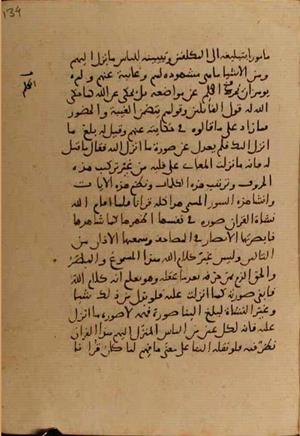
مأمورا بتبليغه إلى المكلفين وتبيينه للناس ما نزل إليهم ومن الأشياء ما هي مشهودة لهم وغائبة عنهم ولم يؤمر أن يحرف الكلم عن مواضعه بل يحكي عن الله كما حكى الله له قول القائلين وقولهم يتضمن الغيبة والحضور، فما زاد على ما قالوه في حكايته عنهم.

وقيل له: ﴿بَلِّغْ ما أُنْزِلَ إِلَيْكَ﴾ [المائدة: 67]؛ فلم يعدل عن صورة ما أنزل إليه فقال ما قيل له فإنه ما نزلت المعاني على قلبه من غير تركيب هذه الحروف وترتيب هذه الكلمات ونظم هذه الآيات وإنشاء هذه السور المسمى هٰذا كله قرآنا.

فلما أقام الله نشأة القرآن صورة في نفسها، أظهرها كما شاهدها فأبصرتها الأبصار في المصاحف وسمعتها الآذان من التالين وليس غير كلام الله هٰذا المسموع والمبصر وألحق الذم بمن حرفه بعد ما عقله، وهو يعلم أنه كلام الله فأبقى صورته كما أنزلت عليه.

فلو بدل من ذٰلك شيئا وغير النشأة، لبلغ إلينا صورة فهمه، لا صورة ما أنزل عليه فإنه لكل عين من الناس المنزل إليهم هٰذا القرآن نظر فيه فلو نقله إلينا على معنى ما فهم، لما كان قرآنا
English

was commanded to convey it to those under responsibility and to make clear to people what had been sent down to them, and since some things are witnessed by them while others are absent from them, he was not commanded to displace words from their proper places. Rather, he was to relate from God just as God had related to him the sayings of speakers. Their sayings contain absence and presence, and in His relating from them He added nothing to what they had said.

He was told, ‘Convey what has been sent down to you’ [al-Maʾida 5:67]. He therefore did not depart from the form of what was sent down to him, but said what had been said to him. For meanings did not descend upon his heart without the composition of these letters, the arrangement of these words, the ordering of these verses, and the formation of these suras, all of which together are called Qurʾan.

When God established the Qurʾan’s constitution as a form in itself, he manifested it just as he had witnessed it. Eyes saw it in written copies, and ears heard it from reciters. This heard and seen thing is nothing other than God’s speech. He attached blame to whoever altered it after understanding it, knowing that it was God’s speech. He therefore preserved its form as it had been sent down to him.

Had he replaced any of it and changed its constitution, he would have conveyed to us the form of his understanding, rather than the form of what was sent down to him. For every individual among the people to whom this Qurʾan was sent down has a way of considering it. Had he transmitted it to us according to the meaning he understood, it would not have been Qurʾan—

Manuscript imageManuscript volume 22 · Page 268

Arabic and English are linked by the same Konya page ID. Page alignment is approximate; consult the manuscript image for verification.

Cairo source reference

Ibn al-Arabi, The Meccan Revelations — Manuscript volume 22 · Page 268 — https://www.futmak.com/english/konya/pages.php?id=6800&text=both