
Futmak · الفتوحات المكية · Meccan Revelations

The Meccan Revelations

Manuscript volume 3 · Page 38

Konya manuscript

Open Arabic sourceOpen English translation

Arabic

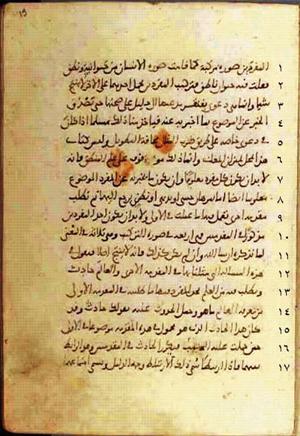
المفردين صورة مركبة، كما قامت صورة الإنسان من حيوانية ونطق فقلت فيه: «حيوان ناطق».

فتركيب المفردين بحمل أحدهما على الآخر لا ينتج شيئا، وإنما هي دعوى يفتقر مدعيها إلى دليل على صحتها حتى يصدق الخبر عن الموضوع بما أخبر به عنه. فيأخذ منا ذٰلك مسلما إذا كان في دعوى خاصة على طريق ضرب المثال مخافة التطويل.

وليس كتابي هٰذا بمحل لميزان المعاني، وإنما ذٰلك موقوف على علم المنطق، فإنه لا بد أن يكون كل مفرد معلوما، وأن يكون ما يخبر به عن المفرد الموضوع معلوما أيضا، إما ببرهان حسي أو بديهي أو نظري يرجع إليهما.

(ارتباط المقدمتين ووجه الدليل)

ثم تطلب مقدمة أخرى تعمل فيها ما عملت في الأولى، ولا بد أن يكون أحد المفردين مذكورا في المقدمتين، فهي أربعة في صورة التركيب وهي ثلاثة في المعنى،[13] لما نذكره إن شاء الله. وإن لم يكن كذٰلك فإنه لا ينتج أصلا.

فنقول في هذه المسألة التي مثلنا بها في المقدمة الأخرى: «والعالَم حادث»، وتطلب فيه من العلم بحد المفرد فيها ما طلبته في المقدمة الأولى، من معرفة العالَم ما هو وحمل الحدوث عليه بقولك «حادث».

وقد كان هٰذا الحادث الذي هو محمول في هذه المقدمة موضوعا في الأولى حين حملت عليه السبب، فتكرر الحادث في المقدمتين، وهو الرابط بينهما. فإذا ارتبطا سمي ذٰلك الارتباط وجه الدليل، وسمي اجتماعهما

Notes

[13]

(المقصود تكرر الحد المشترك في المقدمتين؛ ويبين المثال التالي موضع «حادث» فيهما.)
English

simple terms, a compound form is constituted, just as the form of the human being is constituted from animality and rationality, so that you call it “a rational animal.”

Compounding two simple terms by predicating one of the other produces no conclusion by itself. It is only a claim, whose claimant needs evidence of its soundness, so that what is stated about the subject is true. Let it be accepted from us as granted here, in a particular claim offered by way of example, lest we prolong the discussion.

This book of mine is not the place for the balance of meanings. That is left to the science of logic. Every simple term must be known, and what is stated about the simple term serving as subject must also be known, either through a sensible or self-evident demonstration, or through reasoning that ultimately returns to those two.

(The Connection between the Two Premises and the Aspect of the Proof)

Then seek another premise, doing with it what you did with the first. One of the simple terms must occur in both premises. There are therefore four in the compound form, but three in meaning,[13] for a reason we shall mention, God willing. If it is not so, no conclusion is produced at all.

In the question we have used as an example, we therefore say in the other premise: “The world is temporally originated.” Seek knowledge of the simple term’s definition here as you did in the first premise: know what the world is, and predicate temporal origination of it by saying “temporally originated.”

Now “temporally originated,” which is the predicate in this premise, was the subject in the first, when you predicated a cause of it. “Temporally originated” is thus repeated in both premises and is what connects them. When they are connected, that connection is called the aspect of the proof, and their conjunction is called—

Notes

[13]

(The point is that the common term occurs in both premises. The following example shows the position of “temporally originated” in each.)

Manuscript imageManuscript volume 3 · Page 38

Arabic and English are linked by the same Konya page ID. Page alignment is approximate; consult the manuscript image for verification.

Cairo source reference

Ibn al-Arabi, The Meccan Revelations — Manuscript volume 3 · Page 38 — https://www.futmak.com/english/konya/pages.php?id=680&text=both