
Futmak · الفتوحات المكية · Meccan Revelations

The Meccan Revelations

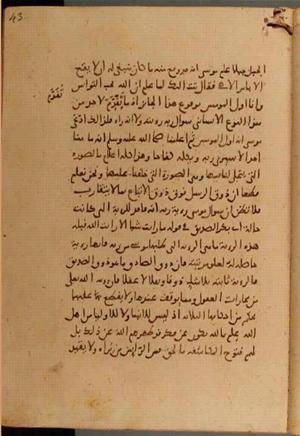
Manuscript volume 22 · Page 86

Konya manuscript

Open Arabic sourceOpen English translation

Arabic

الجبل جبلا، علم موسى أنه قد وقع منه ما كان ينبغي له أن لا يقع إلا بأمر إلهي، فقال: ﴿تُبْتُ إِلَيْكَ﴾؛ لما علم: ﴿إِنَّ الله يُحِبُّ التَّوَّابِينَ﴾ [البقرة: 222].

﴿وأَنَا أَوَّلُ الْمُؤْمِنِينَ﴾ بوقوع هٰذا الجائز؛ إذ ما تقدم لأحد من هٰذا النوع الإنساني سؤال ربه رؤيته ولا أنه رآه، فلذٰلك ادعى موسى أنه أول المؤمنين.

ثم أعلمنا ص إنه ما منا أحد إلا سيرى ربه ويكلمه كفاحا. وهٰذا كله إعلام بالصورة التي يتجلى لنا فيها وهي الصورة التي خلقنا عليها.

(مراتب الرؤية والكشف)

ونحن نعلم قطعا إن ذوق الرسل فوق ذوق الأتباع بما لا يتقارب؛ فلا تظن إن سؤال موسى رؤية ربه أنه فاقد للرؤية التي كانت حالة أبي بكر الصديق رضي الله عنه في قوله: «ما رأيت شيئا إلا رأيت الله قبله». هذه الرؤية ما هي الرؤية التي طلبها موسى من ربه؛ فإنها رؤية حاصلة له لعلو مرتبته، فإن ذوق الصادق ما هو ذوق الصديق.

فالرؤية ثابتة بلا شك[15] ذوقا ونقلا، لا عقلا؛ فإن رؤية الله تعالى من محارات العقول ومما يوقف عندها ولا يقطع عليها بحكم من أحكامها الثلاثة؛ إذ ليس للأنبياء ولا للأولياء من أهل الله علم بالله يكون عن فكر؛ قد طهرهم الله عن ذٰلك، بل لهم فتوح المكاشفة بالحق.

فمن الرائين من يراه ولا يقيد،

Notes

[15]

(يفصل المؤلف هنا بين ثبوت الرؤية بالذوق والنقل وبين ما يراه من توقف الحكم العقلي فيها.)
English

the mountain did not return as a mountain. Moses knew something had issued from him that should have occurred only through a divine command. He said, “I repent to You,” knowing “God loves those who repent” [al-Baqarah 2:222].

“And I am the first of the believers” in this permissible occurrence, since no one of this human kind before him had asked his Lord to see Him, nor had seen Him. Hence Moses claimed to be the first of the believers.

He, God bless him and grant him peace, then informed us that every one of us will see his Lord and speak to Him face to face. All this informs us of the form in which He discloses Himself to us, the form upon which we were created.

(The Ranks of Vision and Unveiling)

We know with certainty that the messengers’ tasting is incomparably above their followers’. Do not suppose Moses’ request to see his Lord means he lacked the vision that was Abu Bakr al-Siddiq’s state, God be pleased with him, in saying, “I never saw anything without seeing God before it.” This vision is not the vision Moses asked of his Lord: he possessed it through his lofty rank. The truthful one’s tasting is not the utterly truthful one’s tasting.

Vision is established without doubt[15] through tasting and transmission, not intellect. Vision of God Most High is among the things that bewilder intellects, before which they halt without determining any of their three rulings. Neither prophets nor friends of God among God’s people possess knowledge of God derived from reflection: God has purified them of that. Theirs, rather, are the openings of unveiling through the Real.

Some who see Him see without restriction;

Notes

[15]

(The author distinguishes here between vision’s being established through tasting and transmission and what he considers the suspension of rational judgment concerning it.)

Manuscript imageManuscript volume 22 · Page 86

Arabic and English are linked by the same Konya page ID. Page alignment is approximate; consult the manuscript image for verification.

Cairo source reference

Ibn al-Arabi, The Meccan Revelations — Manuscript volume 22 · Page 86 — https://www.futmak.com/english/konya/pages.php?id=6618&text=both