
Futmak · الفتوحات المكية · Meccan Revelations

The Meccan Revelations

Manuscript volume 22 · Page 20

Konya manuscript

Open Arabic sourceOpen English translation

Arabic

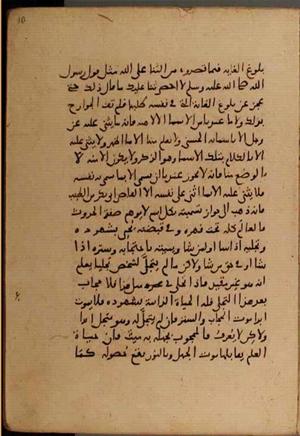
بلوغ الغاية فيما قصدوه من الثناء على الله؛ مثل قول رسول الله ص: «لا أحصي ثناء عليك». ما قال ذٰلك حتى عجز عن بلوغ الغاية التي في نفسه طلبها، فلم تف الجوارح بذٰلك ولا ما عندنا من الأسماء الإلهية.

فإنه ما يثنى عليه عز وجل إلا بأسمائه الحسنى، ولا يعلم منها إلا ما أظهر ولا يثنى عليه إلا بالكلام بتلك الأسماء، وهو الذكر، ولا يكون إلا منه، لا بالوضع منا؛ فإنه لا يجوز عندنا أن يسمى إلا بما سمي به نفسه، فلا يثنى عليه إلا بما أثنى على نفسه؛ إلا القاضي أبو بكر بن الطيب، فإنه ذهب إلى جواز تسميته بكل اسم لا يوهم صفة الحدوث.

(حياة الشهود وموت الحجاب)

فالعالم كله تحت قهره وفي قبضته، يحيي بشهوده وتجليه إذا شاء أو لمن شاء، ويميته باحتجابه وستره إذا شاء أو في حق من شاء.

ولكن ما لم يتجل لشخص تجليا يعلم أنه هو، غير مقيد. فإذا تجلى في مثل هٰذا، فلا حجاب بعد هٰذا التجلي، فله الحياة الذاتية بشهوده، فلا يموت أبدا موت الحجاب والستر.

فإن لم يتجل له، وهو متجل أبدا ولكن لا يعرف، فالمحجوب بجهله به ميت؛ فإن حياة العلم يقابلها موت الجهل وبالنور يقع حصوله، كما
English

attain the aim they sought of praising God, like God’s Messenger’s saying, God bless him and grant him peace, “I cannot enumerate praise of You.” He said this only upon failing to attain the aim he sought within himself. Limbs did not suffice for this, nor the divine names we possess.

He, mighty and majestic, is praised only through His most beautiful names, of which only what He manifests is known. He is praised only through speaking those names, remembrance, coming only from Him, not our assignment. With us He may be named only through what He named Himself, and praised only through His own praise, except Judge Abu Bakr ibn al-Tayyib, who held He may be named through every name not suggesting originatedness.

(Witnessing’s Life and the Veil’s Death)

The entire world is under His overpowering rule, within His grasp. He gives life through witnessing Him and His self-disclosure, if He wills or to whom He wills, and death through His veiling and concealment, if He wills or concerning whom He wills.

Yet, as long as He has not disclosed Himself to someone in a self-disclosure known to be He, unrestricted. When He discloses Himself thus, no veil remains after that disclosure. He has intrinsic life through witnessing Him, never dying the death of veil and concealment.

If He has not disclosed Himself to him—He is ever disclosed, but unrecognized—the one veiled through ignorance of Him is dead. Knowledge’s life stands opposite ignorance’s death. Through light its attainment occurs, as

Notes

Translator’s note TN6552-1: The supplied wa-lākin mā lam yatajalla construction retains “has not disclosed Himself” without an expressed completion before the following “When He discloses Himself thus.” The translation leaves that connection incomplete rather than deleting the negation or supplying a new result.

Manuscript imageManuscript volume 22 · Page 20

Arabic and English are linked by the same Konya page ID. Page alignment is approximate; consult the manuscript image for verification.

Cairo source reference

Ibn al-Arabi, The Meccan Revelations — Manuscript volume 22 · Page 20 — https://www.futmak.com/english/konya/pages.php?id=6552&text=both