The Meccan Revelations

Manuscript volume 2 · Page 293

Konya manuscript

Open Arabic sourceOpen English translation

Arabic

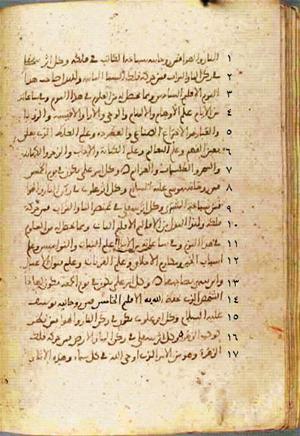
فما حمل الأمانة إلّا من تحقّق بالسبعيّة، وكان هذا هو السابع من الأبدال، فلذلك اتّخذ هِجِّيرا هذه الآية. فهذا قد بيّنّا لك مراتب الأبدال.

وأُخبرت أنَّ هٰذا القطب الَّذي هو مداوي الكلوم كان في زمان حبسه في هيكله وولايته في العالَم إذا وَقَفَ، وَقَفَ لوقفته سبعون قبيلة، كلُّهم قد ظهرت فيهم المعارف الإلهٰيَّة وأسرار الوجود، وكان أبداً لا يتعدَّى كلامُهُ السَّبعة.

(علم الدَّهر)

ومكث (مداوي الكلوم) زماناً طويلاً في أصحابه، وكان يعيِّنُ في زمانه من أصحابه شخصاً فاضلاً كان أقرب النَّاس إليه مجلساً، كان اسمه «المُسْتَسْلِمْ».

فلمَّا دَرَجَ (أي مات) هٰذا الإمام وَلِيَ (أو وُلِّيَ) مقامه في القطبيَّة المستسلم، وكان غالب علمه علم الزَّمان، وهو علمٌ شريف، منه يُعرف الأَزَلُ ومنه ظهر قوله عليه السَّلام: «كَانَ اللهُ وَلاَ شَيْءَ مَعَهُ».[122]

وهٰذا علمٌ لا يعلمه إلاَّ الأفراد[123] من الرِّجال، وهو المعبَّر عنه بالدَّهر الأوَّل ودهر الدُّهور، وعن هٰذا الأَزَلِ وُجِد الزَّمان، وبه تسمَّى اللهُ بالدَّهْرِ، وهو قوله عليه السَّلام: «لاَ تَسُبُّوا الدَّهْرَ فَإِنَّ اللهَ هُوَ الدَّهْرُ»، والحديث صحيحٌ ثابتٌ.[124]

ومَن حصل له عِلْمُ الدَّهْرِ لَم يقف في شيءٍ ينسبُهُ إلى الحقِّ، فإنَّ له الاتِّساعَ الأَعظمَ؛ من هٰذا العِلمِ تعدَّدتِ المقالاتُ في الإِله،

Notes

[122]

الحديث

[123]

الأفراد

[124]

الحديث
English

Thus only one who has realized the sevenfold order bears the Trust. This person is the seventh Substitute, and for this reason he adopts this verse as his constant litany. We have now explained the ranks of the Substitutes to you.

I was told that this Pole, the Healer of Wounds, during his confinement within his bodily temple and his governance of the world, would stand, and seventy tribes would stand when he stood. Divine knowledges and the secrets of existence had become manifest in them all. His speech never went beyond seven.

(The Knowledge of Time)

The Healer of Wounds remained among his companions for a long time. During his time he would single out a distinguished companion who sat nearest to him, named the One Who Surrenders, al-Mustaslim.

When this imam passed on (that is, died), al-Mustaslim assumed (or was appointed to) his station as Pole. His predominant science was the science of time, a noble science through which beginninglessness is known and from which the Prophet’s saying emerged: “God was, and there was nothing with Him.”[122]

This is a science known only to the Individuals[123] among the men of the path. It is expressed as primordial Time and the Time of times. Temporal time came into existence from this beginninglessness, and through it God is named Time. Thus the Prophet said: “Do not revile Time, for God is Time.” This hadith is sound and firmly established.[124]

Whoever attains the knowledge of Time places no limit on what he attributes to the Real, for it possesses the greatest expansiveness. From this science the many statements concerning God arise—

Notes

[122]

The hadith.

[123]

The Individuals.

[124]

The hadith.

Translator’s note TN613-1: Capitalized “Time” renders dahr, distinguished where necessary from temporal time, zamān. “Individuals” renders afrād, a technical designation for a class of saints. The source does not specify a unit for the statement that the Pole’s speech “never went beyond seven.” Notes 122–124 contain only the brief labels translated above, without further explanation or citations.

Manuscript imageManuscript volume 2 · Page 293

Arabic and English are linked by the same Konya page ID. Page alignment is approximate; consult the manuscript image for verification.

Cairo source reference

Ibn al-Arabi, The Meccan Revelations — Manuscript volume 2 · Page 293 — https://www.futmak.com/english/konya/pages.php?id=613&text=both