
Futmak · الفتوحات المكية · Meccan Revelations

The Meccan Revelations

Manuscript volume 18 · Page 197

Konya manuscript

Open Arabic sourceOpen English translation

Arabic

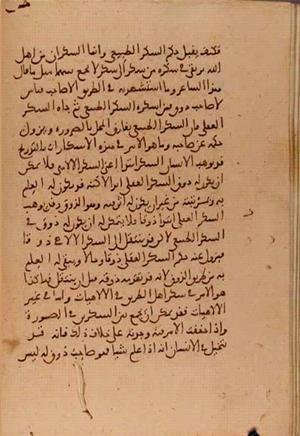
فكيف يقبل حكم السكر الطبيعي؟

وإنما السكران من أهل الله يرتقي في سكره من سكر إلى سكر، لا يجمع بينهما مثل ما قال هٰذا الشاعر. وما استشهد به في الطريق إلا صاحب قياس لا صاحب ذوق؛ فمن أسكره السكر الطبيعي ثم جاءه السكر العقلي، فإن السكر الطبيعي يفارق المحل بالضرورة، ويزول حكمه عن صاحبه.

وما هو الأمر في هذه الإسكارات بالتدريج؛ (إذ) قد يوهب الإنسان السكر ابتداء، أعني السكر الإلهي، فلا يمكن أن يكون له ذوق السكر العقلي أبدا، لكنه قد يكون له العلم به وبمرتبته من غير أن يكون له أثر فيه، وهو الذوق.

وقد يوهب السكر العقلي ابتداء ذوقا، فلا يتمكن له أن يكون له ذوق في السكر الطبيعي، لكن قد ينتقل إلى السكر الإلهي ذوقا، فيزول عنه حكم السكر العقلي ذوقا وحالا، ويبقى له العلم به من طريق الذوق لأنه قد تقدمه ذوقه قبل أن ينتقل. فهكذا هو الأمر في سكر أهل الطريق في الإلهيات.

(العلم بالشيء وذوقه)

وأما في غير الإلهيات فقد يمكن أن يجمع بين السكرين في الصورة، وإذا حققت الأمر فيه وجدته على خلاف ذٰلك. فإنه قد يتخيل في الإنسان أنه إذا علم شيئا فهو صاحب ذوق له، وليس
English

how would he accept natural intoxication’s ruling?

The intoxicated among the Folk of God ascends within his intoxication from one intoxication to another, not combining them as this poet said. Only someone reasoning by analogy, not someone with tasting, cites this as evidence upon the Path. If someone intoxicated naturally receives intellectual intoxication, natural intoxication necessarily leaves the receptacle and its ruling departs from him.

The affair of these intoxications is not one of gradual progression. A person may initially be given intoxication—I mean divine intoxication—and can never taste intellectual intoxication. He may know it and its rank without its having an effect upon him, which is tasting.

Someone may initially be given intellectual intoxication through tasting. He cannot taste natural intoxication, but may pass through tasting to divine intoxication. Intellectual intoxication’s ruling then departs from him as tasting and state, while knowledge of it remains through tasting, since he tasted it before passing onward. Such is the affair in the people of the Path’s intoxication concerning divine matters.

(Knowing Something and Tasting It)

Outside divine matters one may combine two intoxications in form, but realizing the affair shows otherwise. One may imagine that knowing a thing makes a person its taster, but

Manuscript imageManuscript volume 18 · Page 197

Arabic and English are linked by the same Konya page ID. Page alignment is approximate; consult the manuscript image for verification.

Cairo source reference

Ibn al-Arabi, The Meccan Revelations — Manuscript volume 18 · Page 197 — https://www.futmak.com/english/konya/pages.php?id=5523&text=both