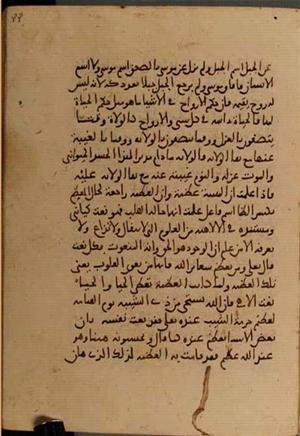
the name mountain departed from the mountain, while neither the name Moses nor the name human departed from Moses through his stunning. Moses recovered, but the mountain did not become a mountain again after its leveling, for it has no spirit to set it upright.
(Life, Spirit, and the Governance of Form)
Spirits’ ruling within things is not like life’s ruling for them, for life is permanent in every thing. Spirits are like governors: sometimes dismissed, sometimes governing, sometimes absent while their governorship remains. Governorship lasts while the spirit governs this animal body. Death is its dismissal; sleep is its absence from it[48] while its governorship remains.
Knowing that awe is greatness, and greatness returns to the state of the magnifier—muʿaẓẓim, with kasrah on ẓāʾ, the active participle—you know it is the heart’s state, a cosmic attribute. Its ground in divinity belongs to knowledge neither expressible nor divulgable, known only to whoever knows existence is the Real and He is described by every attribute.
(The Limits of Applying Expressions)
He, exalted is He, said, “Whoever magnifies God’s ritual symbols: that is from the hearts’ Godwariness” [al-Hajj 22:32], meaning that greatness. Greatness gives modesty, and modesty is a divine attribute. God shows modesty toward the gray-haired one on the Day of Resurrection because of the great sanctity of gray hair with Him, exalted is He. He has described some things as great with Him.
Thus He said, “You reckon it slight, while with God it is tremendous” [al-Nur 24:15]. Greatness thus subsists within Him concerning what seemed slight
Notes
[48]
(The author explains spirit here through its governance of the body, distinguishing the cessation of this governance through death from the governor’s absence in sleep while governorship remains.)