
Futmak · الفتوحات المكية · Meccan Revelations

The Meccan Revelations

Manuscript volume 18 · Page 50

Konya manuscript

Open Arabic sourceOpen English translation

Arabic

على وصف كذا خاصة وما هو على وصف كذا.

ووصف نفسه في آخر هذه الآية بأنه غفور، لما ستر به قلوبهم عن العلم به، إلا من شاء من عباده فإنه أعطاه العلم به على الإجمال، وقال: ﴿لَيْسَ كَمِثْلِهِ شَيْءٌ﴾ [الشورى: ١١]؛ لأنه عين كل شيء، بدليل العلامة التي ثبتت عنه، والشيء لا يكون مثلا لعينه، لأنه عين كل شيء في كل ظل وكل فيء.

وكل طائفة سوى أهل الله قد نزهته أن يكون كذا، ولهٰذا أخبر عنهم فقال: ﴿وإِنْ من شَيْءٍ إِلَّا يُسَبِّحُ﴾ [الإسراء: ٤٤]، أي ينزه، ﴿بِحَمْدِهِ﴾، أي بالثناء عليه، والتنزيه (هو) البعد. وما ذكر الله أنه أمرهم بتسبيحه، بل أخبر أنهم يسبحون بحمده.

فاجعل بالك لقول الله في تلاوتك لما يقوله ربك عن نفسه وما يقوله العالم عنه، وفرق، ولا تحتج فيه إلا بما قاله عن نفسه، لا بما يحكيه من قول العالم فيه؛ تكن من أهل القرآن الذين هم أهل الله وخاصته.

(القبض في الخبر الإلهي)

وحقيقة حال القبض الإلهي في إخباره تعالى عن نفسه: «ما ترددت في شيء أنا فاعله ترددي في قبض عبدي المؤمن، يكره الموت وأنا أكره مساءته، ولا بد له من لقائي». فوصف نفسه بالكراهة، وكل كاره فحاله القبض؛ فافهم ما نبهتك عليه تعثر على الحق. وقد حصل في هٰذا الخبر أمران موجبان للقبض، وهما التردد والكراهة. والغضب المنسوب إليه،
English

has this particular description but does not have that description.

At the end of this verse He also described Himself as Ever-Forgiving, through what He veiled their hearts with against knowledge of Him, except those of His servants whom He wills: He gave them knowledge of Him in general and said, “Nothing is like Him” [al-Shura 42:11], because He is the very entity of everything, as shown by the sign established from Him. A thing cannot be a likeness of its own entity, for He is the very entity of everything in every shade and every returning shadow.

Every group apart from the people of God declares Him too transcendent to be such-and-such. Hence He reported of them, saying, “There is nothing that does not glorify”—that is, declare transcendence—“with His praise” [al-Israʾ 17:44], that is, through lauding Him. Declaring transcendence means making distant. God did not mention commanding them to glorify Him; rather, He reported that they glorify Him with His praise.

Attend, then, in your recitation, to God’s saying: what your Lord says about Himself and what the world says about Him. Distinguish them, and argue concerning Him only from what He says about Himself, rather than what He relates of the world’s statements about Him. You will be among the people of the Qurʾan, who are God’s people and His elect.

(Contraction in the Divine Report)

The reality of the state of divine contraction is in His report about Himself, exalted is He: “I hesitate in nothing I do as I hesitate in taking My believing servant. He dislikes death, and I dislike causing him distress, yet he must meet Me.” He describes Himself as disliking, and everyone who dislikes is in a state of contraction. Understand what I have drawn to your attention and you will alight upon the truth. In this report there are two matters entailing contraction: hesitation and dislike. There is also the anger ascribed to Him,

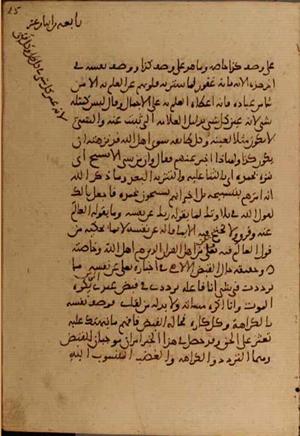
Manuscript imageManuscript volume 18 · Page 50

Arabic and English are linked by the same Konya page ID. Page alignment is approximate; consult the manuscript image for verification.

Cairo source reference

Ibn al-Arabi, The Meccan Revelations — Manuscript volume 18 · Page 50 — https://www.futmak.com/english/konya/pages.php?id=5376&text=both