
Futmak · الفتوحات المكية · Meccan Revelations

The Meccan Revelations

Manuscript volume 18 · Page 37

Konya manuscript

Open Arabic sourceOpen English translation

Arabic

الأمر هنا.

(الحلاوة والجذب إلى مزيد العلم)

ولا تحصل هذه الحلاوة لأحد من أهل الله إلا بالعطف الإلهي؛ فإذا ورد العطف الإلهي على العبد رزقه الله وجدان هذه الحلاوة في باطنه، فيجذبه إليه تعالى، لأن النفس مجبولة على الميل إلى كل ما تستلذه.

ومن أشد حلاوة من هٰذا الفتح مر علي في هٰذا الزمان لما تلي علي: ﴿ن والْقَلَمِ وما يَسْطُرُونَ﴾ [القلم: ١]؛ فلم أجد لذة أعظم من لذة ﴿وإِنَّكَ لَعَلى خُلُقٍ عَظِيمٍ﴾ [القلم: ٤]، فهذه أعظم بشرى وردت علي. ثم إنه تليت على مرتين في زمانين متباينين، فزادني إعجابا بها تكرار التلاوة علي بها.

وتكرار التلاوة فينا مثل تكرار نزول الآية أو السورة على الرسول مرتين، كما جاء في نزول سورة والمرسلات وغيرها إنها نزلت مرتين. فإذا عطف الحق على عبده بهذه الحلاوة، فجذبه إليه بها ليمنحه علما لم يكن عنده، فإن لم يجد علما فليس بجذب ولا تلك حلاوة فتح، فذٰلك من علامات فتح الحلاوة.

وإنما يفعل الحق ذٰلك لتكون حركة العبد معلولة، لأنه معلول في الأصل، وذٰلك لإقامة حجة الله عليه. فإن العبد يزهو بالقوة الإلهية التي عنده، فربما يرى أن له تنزيها بانجذابه إلى الحق دون غيره من العبيد، ويزعم أن ذٰلك إيثار منه لجناب الحق،
English

is the affair here.

(Sweetness and Drawing toward Increased Knowledge)

None among the people of God acquires this sweetness except through divine tender affection. When divine tender affection arrives upon the servant, God grants him the finding of this sweetness inwardly, drawing him toward Himself, exalted is He, for the self is intrinsically disposed to incline toward everything it enjoys.

Among the most intense sweetness of this opening I have experienced at this time was when “Nun. By the Pen and what they inscribe” [68:1] was recited to me. I found no pleasure greater than the pleasure of “You are upon a tremendous character” [68:4]. This is the greatest glad tidings to arrive upon me. It was recited to me twice at two differing times, and the recitation’s repetition increased my wonder at it.

Recitation’s repetition within us is like the verse or surah’s descent upon the Messenger twice, as it is reported that the surah “By Those Sent Forth” and others descended twice. When the Real turns tenderly toward His servant through this sweetness, drawing him toward Himself through it to grant knowledge he did not possess, if he finds no knowledge, it is no drawing and no sweetness of an opening. This is among the signs of sweetness’s opening.

The Real does this only so the servant’s movement may be caused, for he is caused at his root, and so God’s proof against him may be established. The servant grows proud through the divine strength he possesses, perhaps claiming a transcendence for himself through being drawn toward the Real, unlike other servants, and claiming this is his preferring the Real’s side,

Notes

Translator’s note TN5363-1: “A transcendence for himself” retains tanzīh, here a claim made by the servant concerning his being drawn. The surrounding argument counters that claim by identifying sweetness as the cause of his movement. “Unlike other servants” concerns who is drawn, not a preference for God over being drawn toward fellow servants.

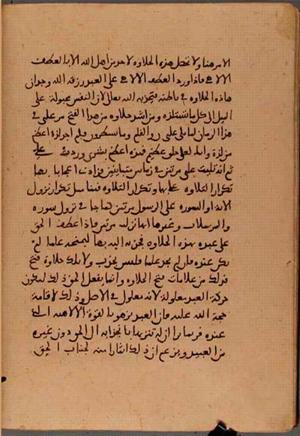
Manuscript imageManuscript volume 18 · Page 37

Arabic and English are linked by the same Konya page ID. Page alignment is approximate; consult the manuscript image for verification.

Cairo source reference

Ibn al-Arabi, The Meccan Revelations — Manuscript volume 18 · Page 37 — https://www.futmak.com/english/konya/pages.php?id=5363&text=both