
Futmak · الفتوحات المكية · Meccan Revelations

The Meccan Revelations

Manuscript volume 16 · Page 302

Konya manuscript

Open Arabic sourceOpen English translation

Arabic

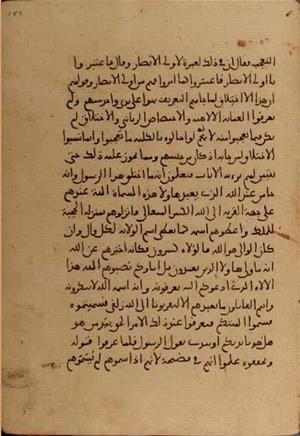
التعجب، فقال: ﴿إِنَّ في ذٰلك لَعِبْرَةً لِأُولِي الْأَبْصارِ﴾ [آل عمران: ١٣] وقال: ﴿فَاعْتَبِرُوا يا أُولِي الْأَبْصارِ﴾ [الحشر: ٢] فاعتبروا كما أمروا، فهم من أولي الأبصار.

وقولهم: ﴿إِنْ هٰذا إِلَّا اخْتِلاقٌ﴾ [ص: ٧]، لما جاءهم التعريف بهٰذا على يدي واحد منهم ولم يعرفوا العناية الإلهية والاختصاص الرباني. والاختلاق لم يكن فيما تعجبوا منه؛ لأنهم لو أحالوه بالكلية ما تعجبوا.

وإنما نسبوا الاختلاق لمن جاء به؛ إذ كان من جنسهم ومما يجوز عليه ذٰلك حتى يتبين لهم برؤية الآيات فيعلمون أنه ما اختلق هٰذا الرسول وأنه جاء من عند الله، الذي يعبد هٰؤلاء هذه المسماة آلهة عندهم على جهة القربة إلى الله الكبير المتعالي.

فأنزلوهم بمنزلة الحجبة للملك، وأعطوهم اسمه كما يعطي اسم الولاية لكل وال وإن كان الوالي هو الله، فالولاة كثيرون.

فكأنه أخبرهم عن الله أنه ما ولي هٰؤلاء الذي يعبدون، بل آباؤكم نصبوهم آلهة. هٰذا الإله الذي أدعوكم إليه تعرفونه وأنه اسمه الله لا تنكرونه، وأنتم القائلون: ﴿ما نَعْبُدُهُمْ إِلَّا لِيُقَرِّبُونا إِلَى الله زُلْفى﴾ [الزمر: ٣].

فسميتموه، فسموا آلهتكم، فتعرفوا عند ذٰلك الأمر الحق بيد من هو: هل هو بأيديكم أو بيدي؟ يقول الرسول.

فلما عرفوا قوله وتحققوه، علموا أنهم في فضيحة؛ لأنهم إذا سموهم لم يسموهم
English

wonder. He said, “In that is a lesson for those possessing sight” [Al ʿImran 3:13], and “Take consideration, you who possess sight” [al-Hashr 59:2]. They considered as commanded and are among those possessing sight.

Their saying, “This is only fabrication” [Sad 38:7], came when this was made known through one of them, while they did not know divine solicitude and lordly distinction. Fabrication did not concern what they wondered at: had they deemed it wholly impossible, they would not have wondered.

They ascribed fabrication only to the one bringing it, for he was of their kind and such a thing was possible for him, until seeing signs makes clear that this messenger did not fabricate it, but brought it from God. They worship what they call deities as a means of drawing near to God, the Great, the Supremely Exalted.

They placed them as a king’s chamberlains, giving them His name, as the name of governance is given to every governor, although God is the Governor. The governors are many.

It is as though he informs them from God that He did not appoint these whom they worship; rather, your fathers set them up as deities. “You know this Deity to whom I call you and that His name is God. You do not deny Him. You yourselves say, ‘We worship them only that they may bring us near to God’ [al-Zumar 39:3].

“You have named Him. Name your deities, and then know in whose hands the true affair lies: yours or mine,” says the messenger.

When they knew and realized his saying, they knew they were exposed, for when naming them they did not name them

Manuscript imageManuscript volume 16 · Page 302

Arabic and English are linked by the same Konya page ID. Page alignment is approximate; consult the manuscript image for verification.

Cairo source reference

Ibn al-Arabi, The Meccan Revelations — Manuscript volume 16 · Page 302 — https://www.futmak.com/english/konya/pages.php?id=4996&text=both