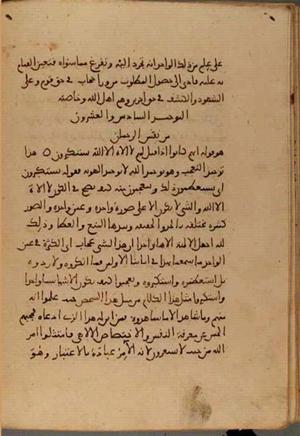
with that one knowing he has devoted himself to him and freed himself from all others. Undertaking his affair becomes incumbent upon him. This leads to obtaining what is sought, from behind a veil for some, and through witnessing and unveiling for others, God’s people and His elect.
Twenty-Sixth Affirmation of Oneness
From the Breath of the All-Merciful: His saying, “When they were told, ‘There is no deity but God,’ they waxed proud” [al-Saffat 37:35]. This is the affirmation of oneness of wonder, the affirmation of oneness of God, not of Identity.
“They waxed proud” means they deemed this tremendous and wondered: how can there be no deity but God within the cosmos? A thing has only one form and one entity, yet forms are many, differing in definition and reality, with withholding and giving in their hands, while that belongs to God. “Has he made the deities one Deity? This is a wondrous thing” [Sad 38:5], meaning multiplicity within the One’s entity. “We have not heard this among our forefathers” [al-Muʾminun 23:24].
They neither denied nor rejected it, but deemed it tremendous and wondered how things could be one thing. They deemed such speech tremendous from such a person, knowing he was one of them and had witnessed only what they witnessed. Whence came this claim?
Sense veiled them from gnosis of breath and divine distinction. They obeyed God’s command without awareness, for He commands His servants to take inward consideration, which is
Notes
Translator’s note TN4995-1: The unvocalized al-nafas/al-nafs permits “breath” or “self.” The main reading takes breath in the context of the All-Merciful’s breath and the ensuing account of divine distinction; “gnosis of self” remains possible.