
Futmak · الفتوحات المكية · Meccan Revelations

The Meccan Revelations

Manuscript volume 16 · Page 301

Konya manuscript

Open Arabic sourceOpen English translation

Arabic

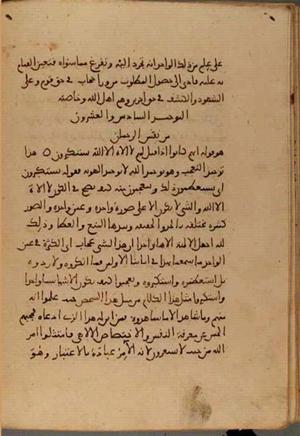
على علم من ذٰلك الواحد أنه تجرد إليه وتفرغ مما سواه، فتعين القيام به عليه، فادى إلى حصول المطلوب من وراء حجاب في حق قوم، وعلى الشهود والكشف في حق آخرين، وهم أهل الله وخاصته.

التوحيد السادس والعشرون

من نَفَس الرحمن، هو قوله: ﴿إِنَّهُمْ كانُوا إِذا قِيلَ لَهُمْ لا إِلهَ إِلَّا الله يَسْتَكْبِرُونَ﴾ [الصافات: ٣٥]. هٰذا توحيد التعجب، وهو توحيد الله، لا توحيد الهوية.

فقوله: ﴿يَسْتَكْبِرُونَ﴾، أي يستعظمون ذٰلك ويتعجبون منه: كيف يصح في الكون لا إله إلا الله، والشيء لا يكون إلا على صورة واحدة وعين واحدة والصور كثيرة مختلفة بالحد والحقيقة، وبيدها المنع والعطاء، وذٰلك لله؟ ﴿أجعل الْآلِهَةَ إِلهاً واحِداً إِنَّ هٰذا لَشَيْءٌ عُجابٌ﴾ [ص: ٥]، أي الكثرة في عين الواحد ﴿ما سَمِعْنا بِهٰذا في آبائِنَا الْأَوَّلِينَ﴾ [المؤمنون: ٢٤].

فما أنكروه ولا ردوه، بل استعظموه واستكبروه وتعجبوا: كيف تكون الأشياء شيئا واحدا؟ واستكبروا مثل هٰذا الكلام من مثل هٰذا الشخص حيث علموا أنه منهم وما شاهد إلا ما شاهدوه؛ فمن أين له هٰذا الذي ادعاه؟

فحجبهم الحس عن معرفة النفس والاختصاص الإلهي، فامتثلوا أمر الله من حيث لا يشعرون؛ لأنه الآمر عباده بالاعتبار وهو
English

with that one knowing he has devoted himself to him and freed himself from all others. Undertaking his affair becomes incumbent upon him. This leads to obtaining what is sought, from behind a veil for some, and through witnessing and unveiling for others, God’s people and His elect.

Twenty-Sixth Affirmation of Oneness

From the Breath of the All-Merciful: His saying, “When they were told, ‘There is no deity but God,’ they waxed proud” [al-Saffat 37:35]. This is the affirmation of oneness of wonder, the affirmation of oneness of God, not of Identity.

“They waxed proud” means they deemed this tremendous and wondered: how can there be no deity but God within the cosmos? A thing has only one form and one entity, yet forms are many, differing in definition and reality, with withholding and giving in their hands, while that belongs to God. “Has he made the deities one Deity? This is a wondrous thing” [Sad 38:5], meaning multiplicity within the One’s entity. “We have not heard this among our forefathers” [al-Muʾminun 23:24].

They neither denied nor rejected it, but deemed it tremendous and wondered how things could be one thing. They deemed such speech tremendous from such a person, knowing he was one of them and had witnessed only what they witnessed. Whence came this claim?

Sense veiled them from gnosis of breath and divine distinction. They obeyed God’s command without awareness, for He commands His servants to take inward consideration, which is

Notes

Translator’s note TN4995-1: The unvocalized al-nafas/al-nafs permits “breath” or “self.” The main reading takes breath in the context of the All-Merciful’s breath and the ensuing account of divine distinction; “gnosis of self” remains possible.

Manuscript imageManuscript volume 16 · Page 301

Arabic and English are linked by the same Konya page ID. Page alignment is approximate; consult the manuscript image for verification.

Cairo source reference

Ibn al-Arabi, The Meccan Revelations — Manuscript volume 16 · Page 301 — https://www.futmak.com/english/konya/pages.php?id=4995&text=both