
Futmak · الفتوحات المكية · Meccan Revelations

The Meccan Revelations

Manuscript volume 16 · Page 300

Konya manuscript

Open Arabic sourceOpen English translation

Arabic

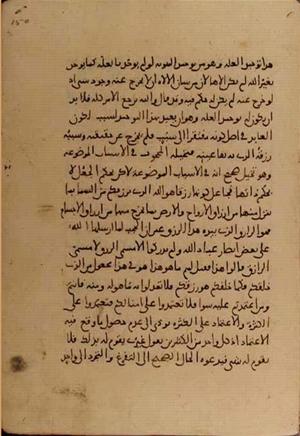
هٰذا توحيد العلة، وهو من توحيد الهوية.

لو لم يوحد بالعلة كما يوحد بغير الله، لم يكن إلها؛ لأن من شأن الإله أن لا يخرج عنه وجود شيء؛ إذ لو خرج عنه لم يكن له حكم فيه، وقد قال: ﴿وإِلَيْهِ يُرْجَعُ الْأَمْرُ كُلُّهُ﴾ [هود: ١٢٣].

فلا بد أن يكون له توحيد العلة، وهو أن يعبد بهٰذا التوحيد لسبب؛ لكون العابد في أصل كونه مفتقرا إلى سبب، فلم يخرج عن حقيقته.

وسببه رزقه الذي به بقاء عينه، فتخيله المحجوب في الأسباب الموضوعة، وهو تخيل صحيح أنه في الأسباب الموضوعة، لكن بحكم الجعل، لا بحكم ذاتها.

فجاعل كونها رزقا هو الله الذي ﴿يَرْزُقُكُمْ من السَّماءِ﴾ [يونس: ٣١] بما ينزل منها من أرزاق الأرواح، ﴿والْأَرْضِ﴾ بما يخرج منها من أرزاق الأجسام، فهو الرازق الذي بيده هٰذا الرزق.

غير أن الحجب لما أرسلها الله على بعض أبصار عباد الله ولم يدركوا إلا مسمى الرزق، لا مسمى الرازق، قالوا: هٰذا. فقيل لهم: ما هو هٰذا؛ هو في هٰذا مجعول من الذي خلقكم، فكما خلقكم هو رزقكم، فلا تعدلوا به ما هو له ومنه.

فأنتم ومن اعتمدتم عليه سواء، فلا تعتمدوا على أمثالكم، فتعتمدوا على الكثرة. والاعتماد على الكثرة يؤدي إلى عدم حصول ما وقع فيه الاعتماد؛ إذ كل واحد من الكثيرين يقول: غيري يقوم له بذٰلك، فلا يقوم له شيء.

فيدعوه الحال الصحيح إلى التفرغ والتجرد إلى واحد
English

This is the affirmation of oneness of cause, among the affirmations of oneness of Identity.

Had His oneness not been affirmed through a cause as it is affirmed through other than God, He would not be a Deity. A deity’s character requires that nothing’s existence fall outside Him. Otherwise He would have no ruling within it, yet He said, “The whole affair returns to Him” [Hud 11:123].

He must therefore possess the affirmation of oneness of cause: being worshipped through this affirmation for a cause, because the worshipper in his original coming to be needs a cause and has not departed from his reality.

His cause is the provision through which his entity remains. The veiled person imagines it within the established causes. This imagining is correct: it is within established causes, but through being placed there, not through their essence.

The One making them provision is God, who “provides for you from heaven” [Yunus 10:31] through the provisions of spirits descending from it, “and earth” through the provisions of bodies emerging from it. He is the Provider holding this provision.

When God sent veils upon some of His servants’ sights, they perceived only what is named provision, not what is named Provider. They said, “This.” They were told, “It is not this. It is placed within this by the One who created you. As He created you, He provides for you. Do not equate with Him what belongs to Him and comes from Him.”

You and those upon whom you rely are alike. Do not rely upon your likes, thereby relying upon multiplicity. Reliance upon multiplicity leads to not obtaining what one relied upon them for: each of the many says, “Another will undertake this for him,” and nothing undertakes it.

The sound state calls him to devote and divest himself for one,

Notes

Translator’s note TN4994-1: The compressed clause explicitly reads bi-ghayr Allah, “through/by other than God.” Its agency or instrumentality is left open; the wording has not been replaced with “without a cause.”

Manuscript imageManuscript volume 16 · Page 300

Arabic and English are linked by the same Konya page ID. Page alignment is approximate; consult the manuscript image for verification.

Cairo source reference

Ibn al-Arabi, The Meccan Revelations — Manuscript volume 16 · Page 300 — https://www.futmak.com/english/konya/pages.php?id=4994&text=both