The Meccan Revelations

Manuscript volume 16 · Page 120

Konya manuscript

Open Arabic sourceOpen English translation

Arabic

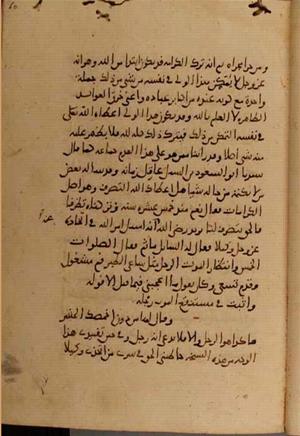
ومن جرى مجراه.

(ترك التمكن وترك الإظهار)

ثم إنه ترك الكرامة قد يكون ابتداء من الله وهو أنه عز وجل لا يمكن هٰذا الولي في نفسه من شيء من ذٰلك جملة واحدة مع كونه عنده من أكابر عباده وأعني خرق العوائد الظاهرة لا العلم بالله.

وقد يكون هٰذا الولي أعطاه الله تعالى في نفسه التمكن من ذٰلك، فيترك ذٰلك كله لله فلا يظهر عليه منه شيء أصلا وقد رأينا ممن هو على هٰذا القدم جماعة.

كما قال سيدنا أبو السعود بن الشبل عاقل زمانه وقد سأله بعض من لا يكتمه من حاله شيئا: هل أعطاك الله التصرف، وهو أصل الكرامات؟ فقال: نعم، منذ خمس عشرة سنة، وتركناه تظرفا؛ فالحق يتصرف لنا.

يريد رضي الله عنه أنه امتثل أمر الله في اتخاذه عز وجل وكيلا فقال له السائل: ما ثم؟ فقال: الصلوات الخمس وانتظار الموت. الرجل مثل ساعي الطير: فم مشغول وقدم تسعى. وكان يقول: ما أعجبني فيما قيل إلا قوله:

وأثبت في مستنقع الموت رجله وقال لها من دون أخمصك الحشر

هكذا هو الرجل، وإلا فلا يدعى أنه رجل وفي حين تقييدي هٰذا الوجه من هذه النسخة خاطبني الحق في سرى: من اتخذني وكيلا
English

and those who follow his course.

(Leaving Empowerment and Leaving Manifestation)

Leaving charismatic gifts may originate with God: He, Mighty and Majestic, gives this friend of God no power at all within himself over any such thing, although he is among His greatest servants. I mean outward breakings of customary orders, not knowledge of God.

Or God Most High may have given this friend of God power over such things within himself, and he leaves all of it for God, so that none of it appears upon him at all. We have seen a group who stand upon this footing.

Thus our master Abu al-Suʿud ibn al-Shibl, the wise man of his age, was asked by someone from whom he concealed nothing of his state, “Has God given you disposal, which is the root of charismatic gifts?” He replied, “Yes, fifteen years ago. We left it out of gracious refinement, and the Real disposes for us.”

He meant—may God be pleased with him—that he obeyed God’s command to take Him, Mighty and Majestic, as trustee. The questioner asked him, “What is there, then?” He replied, “The five prayers and awaiting death.” The man is like a bird going about its business: a busy mouth and a foot in motion. He used to say, “Nothing of what has been said has pleased me except his saying:

He planted his foot firmly in the pool of death and said to it: Beneath your arch lies the Gathering.

Such is the man; otherwise let him not claim to be a man. As I was recording this side of this copy, the Real addressed me in my innermost secret: “Whoever takes Me as trustee

Notes

Translator’s note TN4814-1: The verse’s min dūni akhmuṣika al-ḥashr is compressed. Akhmuṣ is the hollow or arch of the foot; the precise spatial relation expressed by min dūni (‘beneath,’ ‘before,’ or ‘on this side of’) remains uncertain.

Manuscript imageManuscript volume 16 · Page 120

Arabic and English are linked by the same Konya page ID. Page alignment is approximate; consult the manuscript image for verification.

Cairo source reference

Ibn al-Arabi, The Meccan Revelations — Manuscript volume 16 · Page 120 — https://www.futmak.com/english/konya/pages.php?id=4814&text=both