The Meccan Revelations

Manuscript volume 16 · Page 112

Konya manuscript

Open Arabic sourceOpen English translation

Arabic

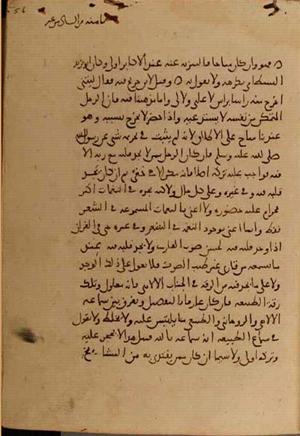
فهو، وإن كان مباحا، فالتنزيه عنه عند الأكابر أولى وكان أبو يزيد البسطامي يكرهه ولا يقول به وقيل لابن جريج فيه، فقال: ليتني أخرج منه رأسا برأس، لا علي ولا لي.

(تمييز السماع من أثر النغمة)

وأما مذهبنا فيه، فإن الرجل المتمكن من نفسه لا يستدعيه وإذا حضر، لا يخرج بسببه، وهو عندنا مباح على الإطلاق لأنه لم يثبت في تحريمه شيء عن رسول الله ص.

فإن كان الرجل ممن لا يجد قلبه مع ربه إلا فيه، فواجب عليه تركه أصلا؛ فإنه مكر إلهي خفي ثم إن كان يجد قلبه فيه وفي غيره وعلى كل حال ولكنه يجده في النغمات أكثر، فحرام عليه حضوره.

ولا أعني بالنغمات المسموعة في الشعر فقط، وإنما أعني بوجود النغمة في الشعر وفي غيره حتى في القرآن إذا وجد قلبه فيه لحسن صوت القارئ ولا يجد قلبه فيه عندما يسمعه من قارئ غير طيب الصوت، فلا يعول على ذٰلك الوجد، ولا على ما يجد فيه من الرقة في الجناب الإلهي فإنه معلول، وتلك رقة الطبيعة.

فإن كان عارفا بالتفصيل ويفرق بين سماعه الإلهي والروحاني والطبيعي، ما يلتبس عليه ولا يخلط ولا يقول في سماع الطبيعة إنه سماعه بالله، فمثل هٰذا لا يحجر عليه، وتركه أولى ولا سيما إن كان ممن يقتدى به من المشايخ
English

Thus, although it is permissible, keeping clear of it is preferable among the great ones. Abu Yazid al-Bistami disliked it and did not endorse it. Ibn Jurayj was asked about it and said, “Would that I could come out of it even, with nothing against me and nothing to my credit.”

(Distinguishing Listening from the Effect of Melody)

Our position on it is that a man who has mastery over himself does not seek it out, and if he is present, he does not leave on its account. In our view it is unrestrictedly permissible, since nothing prohibiting it has been established from the Messenger of God, God bless him and grant him peace.

If a man finds his heart with his Lord only in it, he must abandon it altogether, for it is a hidden divine ruse. If he finds his heart in it and elsewhere, and in every state, but finds it more in melodies, then attending it is forbidden to him.

By melodies I do not mean only those heard in poetry. Rather, I mean the presence of melody in poetry and elsewhere, even in the Qurʾan. If someone finds his heart in it because of the beauty of the reciter’s voice, yet does not find his heart in it when he hears it from a reciter whose voice is not pleasing, no reliance should be placed upon that ecstasy, or upon the tenderness he finds in it toward the Divine Presence. It is affected by an ailment, and that is nature’s tenderness.

If he knows the distinctions and differentiates his divine, spiritual, and natural listening, so that it is not confused for him, he does not mix them together, and he does not say of natural listening that it is his listening through God, then such a person is not restricted. Yet leaving it is preferable, particularly if he is one of the shaykhs taken as an example,

Manuscript imageManuscript volume 16 · Page 112

Arabic and English are linked by the same Konya page ID. Page alignment is approximate; consult the manuscript image for verification.

Cairo source reference

Ibn al-Arabi, The Meccan Revelations — Manuscript volume 16 · Page 112 — https://www.futmak.com/english/konya/pages.php?id=4806&text=both