The Meccan Revelations

Manuscript volume 16 · Page 111

Konya manuscript

Open Arabic sourceOpen English translation

Arabic

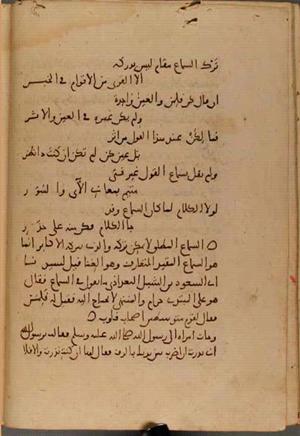
ترك السماع مقام ليس يدركه

إلا القوي من الأقوام في الخبر

إن قال كن فلمن والعين واحدة

ولم يكن غيره في العين والأثر

فما ل"كن عند هٰذا القول من أثر

بل عين كن لم تكن إن كنت ذا نظر

ولم يقل بسماع القول غير فتى

متيم بمعاني الآي والسور

لو لا الكلام لما كان السماع وقد

جاء الكلام فكن منه على حذر

السماع المطلق لا يمكن تركه، والذي يتركه الأكابر إنما هو السماع المقيد المتعارف وهو الغناء. قيل لسيدنا أبي السعود بن الشبل البغدادي ما تقول في السماع؟ فقال: هو على المبتدئ حرام، والمنتهي لا يحتاج إليه. فقيل له: فلمن؟ فقال: لقوم متوسطين، أصحاب قلوب.

وجاءت امرأة إلى رسول الله ص فقالت: يا رسول الله، إني نذرت أن أضرب بين يديك بالدف فقال لها: «إن كنت نذرت، وإلا فلا».
English

Leaving listening is a station perceived

only by the strong among the people, in the transmitted account.

If He says “Be,” to whom, when the entity is one

and there is no other than He in entity or effect?

“Be” has no effect according to this saying;

indeed, the very “Be” was not, if you possess discernment.

None affirms listening to speech but a youth

enraptured by the meanings of verses and surahs.

Without speech there would be no listening; yet

speech has come, so be wary of it.

Unrestricted listening cannot be left. What the great ones leave is only the restricted listening commonly known as such, namely singing. Our master Abu al-Suʿud ibn al-Shibl al-Baghdadi was asked, “What do you say about listening?” He replied, “It is forbidden to the beginner, and the one who has reached the end has no need of it.” He was asked, “For whom, then?” He replied, “For people in the middle, possessors of hearts.”

A woman came to the Messenger of God, God bless him and grant him peace, and said, “Messenger of God, I have vowed to beat the tambourine before you.” He said to her, “If you have vowed; otherwise, no.”

Manuscript imageManuscript volume 16 · Page 111

Arabic and English are linked by the same Konya page ID. Page alignment is approximate; consult the manuscript image for verification.

Cairo source reference

Ibn al-Arabi, The Meccan Revelations — Manuscript volume 16 · Page 111 — https://www.futmak.com/english/konya/pages.php?id=4805&text=both