
Futmak · الفتوحات المكية · Meccan Revelations

The Meccan Revelations

Manuscript volume 16 · Page 59

Konya manuscript

Open Arabic sourceOpen English translation

Arabic

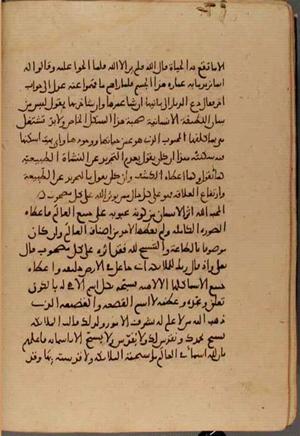
إلا ما تقع به الحياة. قال: الله فلم ير إلا الله فلما ألحوا عليه وقالوا له: إنما نريد ما به عمارة هٰذا الجسم فلما رآهم ما فهموا عنه، عدل إلى جواب آخر فقال: دع الديار إلى بانيها؛ إن شاء عمرها، وإن شاء خربها.

يقول: ليس من شأن اللطيفة الإنسانية صحبة هٰذا الهيكل الخاص ولا بد تشتغل هي بما كلفها المحبوب الذي هو عين حياتها ووجودها وأي بيت أسكنها فيه سكنته هٰذا إن كان يقول بعدم التجريد عن النشأة الطبيعية كما نقول وكما أعطاه الكشف وإن كان يقول بالتجريد عن الطبيعة وارتفاع العلاقة فهو على كل حال ممن يؤثر الله على كل مصحوب.

المحب الله: آثر (الله) الإنسان من كونه محبوبه على جميع العالم فأعطاه الصورة الكاملة ولم يعطها لأحد من أصناف العالم وإن كان (هٰذا العالم) موصوفا بالطاعة والتسبيح لله فقد آثره (اي آثر الإنسان) على كل مصحوب.

(العلم بالأسماء وفضل الإنسان)

قال تعالى: ﴿وإِذْ قالَ رَبُّكَ لِلْمَلائِكَةِ إِنِّي جاعِلٌ في الْأَرْضِ خَلِيفَةً﴾ [البقرة: ٣٠] وأعطاه جميع الأسماء كلها الإلهية فسبحه بكل اسم إلهي له بالكون تعلق ومجده وعظمه لا اسم القصعة والقصيعة الذي ذهب إليه من لا علم له بشرف الأمور.

ولذٰلك قالت الملائكة: ﴿نُسَبِّحُ بِحَمْدِكَ ونُقَدِّسُ لَكَ﴾ [البقرة: ٣٠] ولا يقدس ولا يسبح إلا بأسمائه فأعلمهم بأن لله أسماء في العالم ما سبحته الملائكة ولا قدسته بها وقد
English

only that through which life comes about.” He said, “God,” for he saw only God. When they persisted, saying, “We mean what sustains this body,” and he saw that they had not understood him, he turned to another answer, saying, “Leave the dwellings to their builder: if He wills, He maintains them; if He wills, He ruins them.”

He means that the human subtle reality’s concern is not the company of this particular bodily structure. It must occupy itself with what the beloved, who is its very life and existence, has charged it with. It dwells in whatever house He places it. This is if he holds that there is no detachment from natural constitution, as we hold and as unveiling gives. If he holds detachment from nature and the severance of the relation, he is, in either case, among those who prefer God to every companion.

When God Is the Lover: God preferred the human being, as His beloved, over the whole world. He gave him the complete form, which He gave to none of the world’s other kinds. Although this world is described as obeying and glorifying God, He preferred the human being to every companion.

(Knowledge of the Names and the Human Being’s Excellence)

He said, exalted is He, “When your Lord said to the angels, ‘I am placing a vicegerent upon the earth’” [al-Baqara 2:30]. He gave him all the divine names. Through every divine name relating to the cosmos he glorified, magnified, and exalted Him—not the name of the bowl and little bowl, as those without knowledge of the nobility of matters have held.

For this reason the angels said, “We glorify You with praise and hallow You” [al-Baqara 2:30]. He is hallowed and glorified only through His names. He informed them that God has names in the world through which the angels had neither glorified nor hallowed Him, and

Notes

Translator’s note TN4753-1: Qaṣʿa is ‘bowl’ and quṣayʿa its diminutive, ‘little bowl.’ The author explicitly distinguishes conventional object-names from the divine names under which the small and great glorify God.

Manuscript imageManuscript volume 16 · Page 59

Arabic and English are linked by the same Konya page ID. Page alignment is approximate; consult the manuscript image for verification.

Cairo source reference

Ibn al-Arabi, The Meccan Revelations — Manuscript volume 16 · Page 59 — https://www.futmak.com/english/konya/pages.php?id=4753&text=both