
Futmak · الفتوحات المكية · Meccan Revelations

The Meccan Revelations

Manuscript volume 16 · Page 55

Konya manuscript

Open Arabic sourceOpen English translation

Arabic

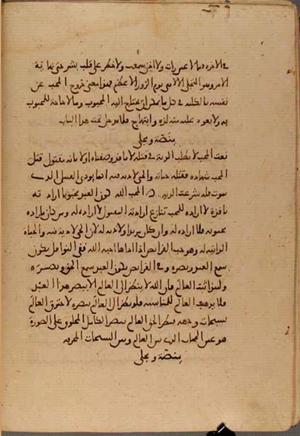
في الآخرة فما لا عين رأت ولا أذن سمعت ولا خطر على قلب بشر حتى نهاية الأمر وهو التجلي الإلهي يوم الزور الأعظم.

فهٰذا معنى خروج المحب عن نفسه بالكلية في كل ما يمكن أن يحتاج إليه المحبوب، وما لا حاجة للمحبوب به ولا يعود عليه منه لذة وابتهاج، فلا يدخل تحت هٰذا الباب.

منصة ومجلى

نعت المحب لا يطلب الدية في قتله

لأنا قد وصفناه أولا بأنه مقتول. قتل المحب شهادة، فقتله حياته[6]، والحي لا دية فيه؛ إنما يودى القتيل الذي يموت فله شرعت الدية.

المحب الله: كون العبد محبوبا، إرادته نافذة، لا إرادة للمحب تنازع إرادته. المقتول لا إرادة له ومن كان بإرادة محبوبه فلا إرادة له، وإن كان مريدا، ولا دية له؛ لأن الحي لا دية فيه والحياة الذاتية له وهو حب الفرائض، إذا أداها أحبه الله؛ ففي النوافل يكون (الحق) سمع العبد وبصره.

وفي الفرائض يكون العبد سمع الحق وبصره، ولهٰذا ثبت العالم فإن الله لا ينظر إلى العالم إلا ببصر هٰذا العبد فلا يذهب العالم للمناسبة؛ فلو نظر إلى العالم ببصره، لاحترق العالم بسبحات وجهه فنظر الحق العالم ببصر الكامل المخلوق على الصورة هو عين الحجاب الذي بين العالم وبين السبحات المحرقة.

منصة ومجلى

Notes

[6]

(القتل هنا من نعوت المحبة التي فسرها المؤلف قبل هذا الموضع بتنازع الطبيعة والروح، ثم ربطها هنا بسقوط إرادة المحب أمام إرادة محبوبه.)
English

the Hereafter, there is what no eye has seen, no ear heard, and no human heart conceived, until the affair’s culmination: divine self-disclosure on the Day of the Greatest Visitation.

This is the meaning of the lover’s leaving himself entirely in everything the beloved might need. What the beloved does not need and from which no pleasure or joy returns to him does not enter this discussion.

A Dais and a Locus of Self-Disclosure

The Lover Is Described as Not Seeking Blood Money for His Being Killed

We have already described him as killed. The lover’s killing is martyrdom, so his being killed is his life[6]. There is no blood money for the living. Blood money is paid only for the slain person who dies; for him it was prescribed.

When God Is the Lover: The servant’s being beloved means his will is effective, with no will of the lover contending with it. The killed has no will, and one who is through his beloved’s will has no will, although willing. He has no blood money, for there is no blood money for the living. Essential life belongs to him. This is the love of obligatory duties: when he performs them, God loves him. In supererogatory works, the Real becomes the servant’s hearing and sight.

In obligatory duties the servant becomes the Real’s hearing and sight. For this reason the world endures: God looks toward the world only through this servant’s sight, and the world does not vanish, because of the correspondence. Were He to look toward the world through His own sight, the world would burn in the splendors of His face. The Real’s looking toward the world through the sight of the perfect one created in the form is the very veil between the world and the burning splendors.

A Dais and a Locus of Self-Disclosure

Notes

[6]

(Killing here belongs to love’s descriptions, which the author explained earlier through the contest between nature and spirit, then connects here with the falling away of the lover’s will before his beloved’s will.)

Translator’s note TN4749-1: ‘Essential life belongs to him’ retains the compressed pronoun in al-ḥayāt al-dhātiyya lahu. The passage then contrasts obligatory duties, where the servant is the Real’s hearing and sight, with supererogatory works, where the Real is the servant’s hearing and sight.

Manuscript imageManuscript volume 16 · Page 55

Arabic and English are linked by the same Konya page ID. Page alignment is approximate; consult the manuscript image for verification.

Cairo source reference

Ibn al-Arabi, The Meccan Revelations — Manuscript volume 16 · Page 55 — https://www.futmak.com/english/konya/pages.php?id=4749&text=both