
Futmak · الفتوحات المكية · Meccan Revelations

The Meccan Revelations

Manuscript volume 16 · Page 53

Konya manuscript

Open Arabic sourceOpen English translation

Arabic

فإذا أضيف ما تناهي إلى ما لا يتناهى ظهر كأنه قليل أو كأنه لا شيء، وإن كان كثيرا. وهنا نظر يطول فاقتصرنا.

منصة ومجلى

نعت المحب يعانق طاعة محبوبه ويجانب مخالفته. قال شاعرهم:

تعصى الإله وأنت تظهر حبه

هٰذا محال في القياس بديع‏

لو كان حبك صادقا لأطعته

إن المحب لمن يحب مطيع‏

المحب عبد، والعبد من وقف عند أوامر سيده ويجتنب مخالفة أوامره ونواهيه، فلا يراه حيث نهاه ولا يفقده حيث أمره. لا يزال ماثلا بين يديه فإذا أمره، رأى هٰذا المحب أنه قد امتن عليه حيث استعمله وأمره وإن هٰذا من عنايته به وإن فقد رؤيته ومشاهدته فيما شغله به، فهو في نعيم ولذة بكونه يتصرف في مراسم سيده وعن إذنه.

فإن كان المحب (هو) الله، فأمر المحبوب له (هو) دعاؤه ورغبته فيما يعن له ويحبه ثم إنه يكره أشياء فيدعوه بصفة النهي مثل قوله: ﴿لا تُزِغْ قُلُوبَنا﴾ [آل عمران: ٨]، ﴿ولا تَحْمِلْ عَلَيْنا إِصْراً﴾، ﴿ولا تُحَمِّلْنا ما لا طاقَةَ لَنا به﴾ [البقرة: ٢٨٦] فهٰذا سؤال بصفة نهي؛ فقد وقع منه الأمر والنهي لسيده
English

so when the finite is compared with the infinite, it appears little, or as nothing, even if it is much. There is a lengthy inquiry here, which we abridge.

A Dais and a Locus of Self-Disclosure

The lover is described as embracing obedience to his beloved and avoiding opposition to him. Their poet said:

You disobey the Deity while showing love for Him:

this is, by reason’s measure, a wondrous impossibility.

Were your love truthful, you would obey Him;

the lover obeys the one he loves.

The lover is a servant. The servant is one who stops at his master’s commands and avoids opposing his commands and prohibitions, so his master does not find him where he has forbidden him or miss him where he has commanded him. He remains standing before him. When he commands him, this lover sees that he has favored him by employing and commanding him, and that this is his solicitude toward him. Even if he loses sight and witnessing of him in what occupies him, he is in delight and pleasure through acting within his master’s prescriptions and by his permission.

When God is the lover, the beloved’s command to Him is his prayer and desire for whatever occurs to him and he loves. He also dislikes things, so he calls upon Him in the form of prohibition, such as “Do not cause our hearts to swerve” [Al ʿImran 3:8], “Do not lay a burden upon us,” and “Do not burden us with what we have no power to bear” [al-Baqara 2:286]. This is asking in the form of prohibition. Command and prohibition have thus issued from him to his Master,

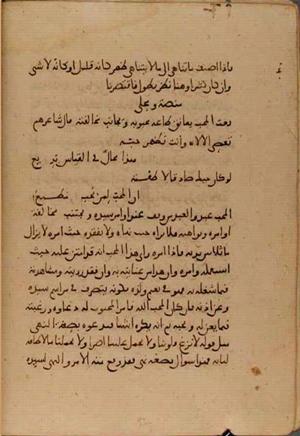
Manuscript imageManuscript volume 16 · Page 53

Arabic and English are linked by the same Konya page ID. Page alignment is approximate; consult the manuscript image for verification.

Cairo source reference

Ibn al-Arabi, The Meccan Revelations — Manuscript volume 16 · Page 53 — https://www.futmak.com/english/konya/pages.php?id=4747&text=both