
Futmak · الفتوحات المكية · Meccan Revelations

The Meccan Revelations

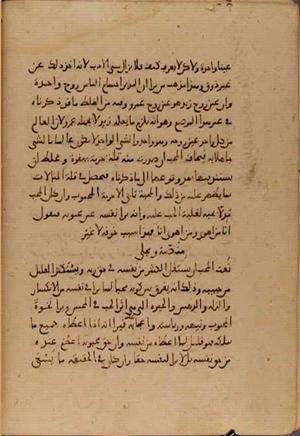
Manuscript volume 16 · Page 51

Konya manuscript

Open Arabic sourceOpen English translation

Arabic

عينا واحدة ولكن لا يعرف كيف، فلا يزال يسيء الأدب؛ لأنه أخذ ذٰلك عن غير ذوق.

وهٰذا مذهب من يرى أن المدبر أجسام الناس روح واحدة، وأن عين روح زيد هو عين روح عمرو. وفيه من الغلط ما قد ذكرناه في غير هٰذا الموضع وهو أنه يلزم ما يعلمه زيد لا يجهله عمرو لأن العالم من كل واحد (هو) عين روحه وهو واحد، والشيء الواحد لا يكون عالما بالشيء، جاهلا به.

فيخاف المحب إن صدرت منه قلة حرمة بهفوة وغلط أن يستند فيها بعد وقوعها إلى ما ذكرناه فيحصل في قلة المبالاة بما يظهر عليه من ذٰلك والمحبة تأبى إلا حرمة المحبوب وإن كان المحب مدلا بحبه لغلبة الحب عليه وأنه يرى نفسه عين محبوبه فيقول: «أنا من أهوى ومن أهوى أنا»؛ فهٰذا سبب خوفه لا غير.

منصة ومجلى

نعت المحب أن يستقل الكثير من نفسه في حق ربه ويستكثر القليل من حبيبه. وذٰلك أنه يفرق بين كونه محبا لما يرى في نفسه من الانكسار والذلة والدهش والحيرة التي هي أثر الحب في المحبين ويرى نخوة المحبوب وتيهه ورئاسته وإعجابه عليه؛ فيرى أنه إذا أعطاه جميع ما يملكه فهو قليل لما أعطاه من نفسه وأن حق محبوبه أعظم عنده من حق نفسه بل لا يرى لنفسه حقا، وإن كان في الحقيقة ما يسعى
English

a single entity but does not know how. He continues to behave discourteously because he has taken this without tasting.

This is the position of those who hold that one spirit governs people’s bodies, and that Zayd’s spirit is the very same entity as ʿAmr’s spirit. We have mentioned its error elsewhere: it would require that ʿAmr not be ignorant of what Zayd knows, for the knower in each is his very spirit, and it is one. A single thing cannot know something and be ignorant of it.

The lover fears that, if a lapse or error causes a lack of reverence to issue from him, he will afterward rely upon what we mentioned, becoming indifferent to what appears from him. Love insists upon reverence for the beloved, even if the lover has assured familiarity through his love, because love overwhelms him and he sees himself as the very entity of his beloved, saying, “I am the one I love, and the one I love is I.” This alone causes his fear.

A Dais and a Locus of Self-Disclosure

The lover is described as considering much from himself little in relation to his Lord, and little from his beloved much. He distinguishes his being a lover through the brokenness, abasement, bewilderment, and perplexity he sees within himself, love’s effects upon lovers, while seeing the beloved’s pride, loftiness, leadership, and self-admiration toward him. If he gives him everything he possesses, he considers it little compared with what he has given him of himself. His beloved’s right is greater to him than his own; indeed, he sees no right for himself, although in truth he strives

Notes

Translator’s note TN4745-1: The pronouns in “what he has given him of himself” are compressed. They can concern what the beloved has bestowed of himself or what the lover gives of himself; the rendering does not specify a whole self bestowed by one party.

Manuscript imageManuscript volume 16 · Page 51

Arabic and English are linked by the same Konya page ID. Page alignment is approximate; consult the manuscript image for verification.

Cairo source reference

Ibn al-Arabi, The Meccan Revelations — Manuscript volume 16 · Page 51 — https://www.futmak.com/english/konya/pages.php?id=4745&text=both