
Futmak · الفتوحات المكية · Meccan Revelations

The Meccan Revelations

Manuscript volume 16 · Page 48

Konya manuscript

Open Arabic sourceOpen English translation

Arabic

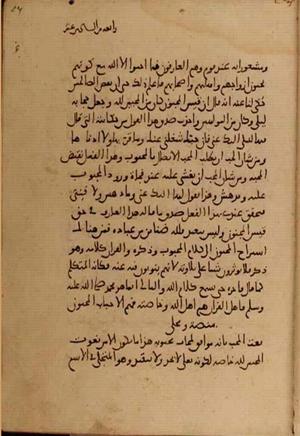
ومشعورا به عند قوم وهم العارفون فما أحبوا إلا الله مع كونهم يحبون أزواجهم، وأهلهم وأصحابهم فاعلم ذٰلك.

حتى إن بعض الصالحين حكى لنا عنه أنه قال إن قيسا المجنون كان من المحبين لله، وجعل حجابه ليلى، وكان من المولهين وأخذت صدق هٰذا القول من حكايته التي قال فيها لليلى: «إليك عني، فإن حبك شغلني عنك» وما قربها ولا أدناها.

ومن شأن الحب أن يطلب المحب الاتصال بالمحبوب وهٰذا الفعل نقيض المحبة. ومن شأن المحب أن يغشى عليه عند فجأة ورود المحبوب عليه ويدهش وهٰذا يقول لها: إليك عني، وما دهش ولا فنى فتحقق عندي بهٰذا الفعل صدق ما قاله هٰذا العارف في حق قيس المجنون وليس ببعيد فلله ضنائن من عباده.

فمن هناك استراح المحبون إلى كلام المحبوب وذكره والقرآن كلامه وهو ذكر فلا يؤثرون شيئا على تلاوته؛ لأنهم ينوبون فيه عنه فكأنه المتكلم كما قال: ﴿فَأَجِرْهُ حَتَّى يَسْمَعَ كَلامَ الله﴾ [التوبة: ٦] والتالي إنما هو محمد ص فأهل القرآن هم أهل الله وخاصته فهم الأحباب المحبون.

منصة ومجلى نعت المحب بأنه موافق لمحاب محبوبه

هٰذا ما يكون إلا من نعوت المحبين لله خاصة لكونه تعالى لا يحد ولا يتقيد وهو المتجلي في الاسم
English

and perceived by others, the gnostics. They love only God, although they love their spouses, families, and companions. Know this.

We were even told of a righteous person who said that Qays the Madman was one of God’s lovers and made Layla his veil. He was among the enraptured. I took confirmation of this saying from his story in which he said to Layla, “Away from me! Your love has occupied me to the exclusion of you.” He did not bring her close or draw her near.

Love’s character is that the lover seeks union with the beloved, but this act is love’s contrary. The lover’s character is to faint and be bewildered when the beloved suddenly comes upon him, yet this one says to her, “Away from me,” without bewilderment or annihilation. Through this act, the truth of what this gnostic said about Qays the Madman was realized for me. It is not far-fetched, for God has those He guards jealously among His servants.

From there lovers find rest in the beloved’s speech and remembrance. The Qurʾan is His speech and is a reminder, so they prefer nothing to its recitation, for in it they act on His behalf, as though He were the speaker, as He said, “Grant him protection until he hears God’s speech” [al-Tawba 9:6], although the reciter is Muhammad, God bless him and grant him peace. The people of the Qurʾan are God’s people and His elect: they are the beloved lovers.

A Dais and a Locus of Self-Disclosure: The Lover Is Described as Agreeing with What His Beloved Loves

This can belong only to the descriptions of God’s lovers in particular, for He, exalted is He, is neither delimited nor restricted. He discloses Himself in the name

Manuscript imageManuscript volume 16 · Page 48

Arabic and English are linked by the same Konya page ID. Page alignment is approximate; consult the manuscript image for verification.

Cairo source reference

Ibn al-Arabi, The Meccan Revelations — Manuscript volume 16 · Page 48 — https://www.futmak.com/english/konya/pages.php?id=4742&text=both