
Futmak · الفتوحات المكية · Meccan Revelations

The Meccan Revelations

Manuscript volume 16 · Page 44

Konya manuscript

Open Arabic sourceOpen English translation

Arabic

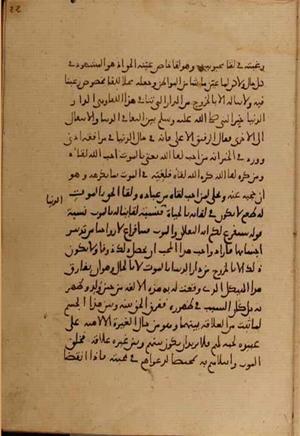
رغبته في لقاء محبوبه وهو لقاء خاص عينه الحق إذ هو المشهود في كل حال ولكن لما عين ما شاء من المواطن وجعله محلا للقاء مخصوص رغبنا فيه ولا نناله إلا بالخروج من الدار التي تنافي هٰذا اللقاء وهي الدار الدنيا.

خير النبي ص بين البقاء في الدنيا والانتقال إلى الأخرى فقال: «الرفيق الأعلى» فإنه في حال الدنيا في مرافقة أدنى وورد في الخبر أنه: «من أحب لقاء الله»، يعني بالموت، «أحب الله لقاءه، ومن كره لقاء الله كره الله لقاءه» فلقيه في الموت بما يكرهه وهو أن حجبه عنه وتجلى لمن أحب لقاءه من عباده.

ولقاء الحق بالموت له طعم لا يكون في لقائه بالحياة الدنيا فنسبة لقائنا له بالموت نسبة قوله: ﴿سَنَفْرُغُ لَكُمْ أَيُّهَ الثَّقَلانِ﴾ [الرحمن: ٣١] والموت فينا فراغ لأرواحنا من تدبير أجسامها فأرادوا حب هٰذا المحب أن يحصل ذٰلك ذوقا ولا يكون ذٰلك إلا بالخروج من دار الدنيا بالموت لا بالحال، وهو أن يفارق هٰذا الهيكل الذي وقعت له به هذه الألفة من حين ولد وظهر به، بل كان السبب في ظهوره؛ ففرق الحق بينه وبين هٰذا الجسم لما ثبت من العلاقة بينهما وهو من حال الغيرة الإلهية على عبيده لحبه لهم فلا يريد أن يكون بينهم وبين غيره علاقة.

فخلق الموت وابتلاهم به تمحيصا لدعواهم في محبته فإذا انقضى
English

his desire to meet his beloved in a particular meeting the Real appointed. He is witnessed in every state, but when He appointed whichever settings He wished and made them the locus of a particular meeting, we desired it. We attain it only by leaving the abode incompatible with this meeting, this worldly abode.

The Prophet, God bless him and grant him peace, was offered the choice between remaining in this world and passing to the other. He said, “The Highest Companion,” for in the worldly state he possesses a lower companionship. A report says, “Whoever loves meeting God”—meaning through death—“God loves meeting him; whoever dislikes meeting God, God dislikes meeting him.” He meets him in death with what he dislikes: veiling Himself from him, while disclosing Himself to those servants who love meeting Him.

Meeting the Real through death has a flavour absent from meeting Him in worldly life. Our meeting Him through death stands in the relation of His saying, “We shall attend to you, you two weighty kinds” [55:31]. Death within us frees our spirits from governing their bodies. This lover therefore desired and loved to obtain this through tasting, possible only through leaving this worldly abode by death, not by a state: parting from this bodily temple with which he has been intimate since birth and appearing through it. Indeed, it was the cause of his appearance. The Real separates him from this body because of the established attachment between them. This belongs to divine jealousy over His servants through His love for them: He does not wish any attachment between them and another.

He created death and tried them through it, purifying their claim to love Him. When there is an end to

Notes

Translator’s note TN4738-1: The difficult printed فأرادوا حب is provisionally read as fa-arāda wa-aḥabba, two verbs, “desired and loved,” with the lover as subject. The division and verb form are not settled by the supplied wording. The text explicitly distinguishes the particular meeting through bodily death from a spiritual state within life, while retaining witnessing in every state.

Manuscript imageManuscript volume 16 · Page 44

Arabic and English are linked by the same Konya page ID. Page alignment is approximate; consult the manuscript image for verification.

Cairo source reference

Ibn al-Arabi, The Meccan Revelations — Manuscript volume 16 · Page 44 — https://www.futmak.com/english/konya/pages.php?id=4738&text=both