The Meccan Revelations

Manuscript volume 16 · Page 12

Konya manuscript

Open Arabic sourceOpen English translation

Arabic

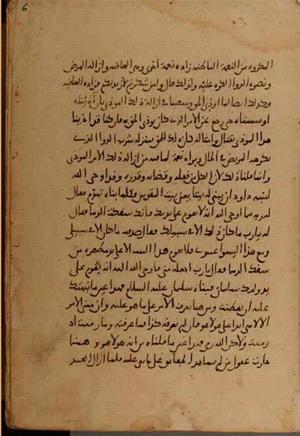
المكروه من النعمة الباطنة زاده نعمة أخرى، وهي العافية وإزالة المرض ونصرة الدواء الكره عليه ولذٰلك قال: ﴿لَئِنْ شَكَرْتُمْ لَأَزِيدَنَّكُمْ﴾ [إبراهيم: ٧] فزاده العافية.

وكذٰلك أيضا لما أوذى الحق وسعينا في إزالة ذٰلك المؤذي بأن آذيناه أو سسناه حتى رجع عن الأمر الذي كان يؤذي الحق به فإن كنا قد آذينا هٰذا المؤذي بقتال وأمثاله، كان ذٰلك للحق بمنزلة شرب الدواء الذي يكرهه المريض في الحال ويراه نعمة لما فيه من إزالة ذٰلك الأمر المؤذي وإنما قلنا ذٰلك لأن الكل من فعله وقضائه وقدره.

وقد أوحى الله لنبيه داود أن يبني له بيتا، يعني بيت المقدس، فكلما بناه تهدم، فقال له ربه فيما أوحى إليه أنه لا يقوم على يديك؛ فإنك سفكت الدماء.

فقال له: يا رب، ما كان ذٰلك إلا في سبيلك. فقال: صدقت ما كان إلا في سبيلي، ومع هٰذا أليسوا عبيدي؟ فلا يقوم هٰذا البيت إلا على يد مطهرة من سفك الدماء فقال: يا رب، اجعله مني. فأوحى الله إليه أنه يقوم على يد ولدك سليمان فبناه سليمان ع.

فهٰذا عين ما نبهتك عليه إن تفطنت ومن هنا تعرف الأمر على ما هو عليه وأن مبني الأمر الإلهي أبدا على هو لا هو؛ فإن لم تعرفه كذا فما عرفته. ﴿وما رَمَيْتَ إِذْ رَمَيْتَ ولكِنَّ الله رَمى﴾ [الأنفال: ١٧] فهٰذا عين ما قلناه من أنه هو لا هو وهنا حارت عقول من لم يشاهد الحقائق على ما هي عليه.

فلما أزال العبد
English

disagreeable thing, He increased him in another blessing: health, removal of illness, and the disagreeable medicine's victory over it. Hence He said, “If you are grateful, I shall increase you” [Ibrahim 14:7], increasing him in health.

Likewise, when the Real is hurt and we strive to remove that offender by hurting him or governing him until he turns from the affair through which he hurt the Real, if we have hurt this offender through fighting or the like, it is for the Real like drinking medicine which the sick person dislikes at the moment, yet sees as a blessing through its removal of that hurtful thing. We said this because all is from His act, judgement, and decree.

God revealed to His Prophet David that he should build Him a house, meaning the Holy House. Whenever he built it, it collapsed. Among what his Lord revealed to him, He said it would not stand through his hands, for he had shed blood.

He said, “My Lord, that was only in Your way.” He said, “You speak truly: it was only in My way. Yet are they not My servants? This house will stand only through a hand purified from shedding blood.” He said, “My Lord, make it from me.” God revealed to him that it would stand through his son Solomon's hand, and Solomon, peace be upon him, built it.

This is precisely what I drew your attention to, if you perceive it. From here you know the affair as it is: the divine affair is always founded upon “He, not He.” If you do not know it so, you have not known it. “You did not throw when you threw, but God threw” [al-Anfal 8:17]. This is precisely our saying that it is He, not He. Here the intellects of those who have not witnessed realities as they are become bewildered.

When the servant removed

Notes

Translator’s note TN4706-1: The David and Solomon account is transmitted in the author's narrative. His subsequent “He, not He” retains the distinction and conjunction of attribution in the quoted verse about throwing, without supplying an external reconciliation.

Manuscript imageManuscript volume 16 · Page 12

Arabic and English are linked by the same Konya page ID. Page alignment is approximate; consult the manuscript image for verification.

Cairo source reference

Ibn al-Arabi, The Meccan Revelations — Manuscript volume 16 · Page 12 — https://www.futmak.com/english/konya/pages.php?id=4706&text=both