
Futmak · الفتوحات المكية · Meccan Revelations

The Meccan Revelations

Manuscript volume 15 · Page 94

Konya manuscript

Open Arabic sourceOpen English translation

Arabic

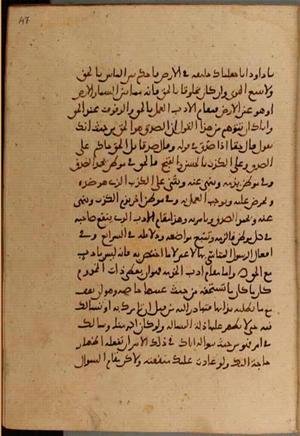
﴿يا داوُدُ إِنَّا جَعَلْناكَ خَلِيفَةً في الْأَرْضِ فَاحْكُمْ بَيْنَ النَّاسِ بِالْحَقِّ ولا تَتَّبِعِ الْهَوى﴾ [ص: 26] وإن كان مخلوقا بالحق، فإنه مما بين السماء والأرض أو هو عين الأرض. فمقام الأدب العمل بالحق والوقوف عند الحق.

وإياك أن تتوهم من هٰذا القول إن الصدق هو الحق من حيث إنك تقول: «قال حقا» إذا صدق في قوله وقال صدقا. بل الحق حاكم على الصدق وعلى الكذب بالحسن والقبح.

فالحق في موطن يحمد الصدق، وفي موطن يذمه وينهى عنه ويثني على الكذب الذي هو ضده ويحرض عليه ويوجب العمل به، وفي موطن آخر يذم الكذب وينهى عنه ويحمد الصدق ويأمر به.

وهٰذا مقام الأدب الذي ينفع صاحبه في كل موطن، فألزمه وتتبع مواضعه ودلائله في الشرائع وفي أفعال الرسول المتأسي بها، لا غير، لا ما اختص به؛ فإنه ليس بأدب مع الحق.

(أدب الخدمة وأدب الشريعة)

«و أما مقام» أدب الخدمة فهو أن يعطي ذات المخدوم، كان ما كان، ما تستحقه من حيث عينها خاصة وهو أن تقف مع ما تطلبه بذاتها، فتبادر إليه من قبل أن تأمرك به أو تسألك فيه، حتى لا يظهر عليها ذلة المسألة.

ولو كان أكبر منك وسالك في أمر، فهو من حيث سؤاله إياك في ذٰلك الأمر أن تفعله إظهار حاجة إليك ولو عادت عليك منفعته، ولكن مقام السؤال
English

“David, We have made you a vicegerent upon the earth, so judge between people with right, and do not follow caprice” [Sad 38:26], although [caprice] is created with right, for it is among what lies between heaven and earth, or is the earth itself. The station of courtesy is acting with right and stopping at right.

Beware of imagining from this that truthfulness is right because you say, “He spoke rightly,” when someone is truthful and speaks truthfully. Rather, right judges truthfulness and falsehood as good or bad.

In one setting right praises truthfulness; in another it blames and forbids it, praising its opposite, falsehood, urging it and making acting by it obligatory. In another setting it blames and forbids falsehood, praises truthfulness, and commands it.

This is the station of courtesy that benefits its possessor in every setting. Adhere to it and trace its places and indications in revealed laws and in those acts of the Messenger that are to be followed, not what was particular to him, for that is not courtesy toward right.

(The Courtesy of Service and the Courtesy of Revealed Law)

As for the station of courtesy in service, it is giving the very being of whoever is served, whoever it may be, what it deserves specifically in respect of its own entity. You stand with what it requires through itself, hastening to it before it commands or asks you, so that the lowliness of asking does not appear upon it.

Even if one greater than you asks you for something, his asking you to do that matter manifests need toward you, even if its benefit returns to you. The station of asking, however,

Notes

Translator’s note TN4472-1: The bracketed caprice supplies the probable antecedent of the unexpressed pronoun after the verse; the source does not repeat its noun. The contrast between right and truthful speech, including contexts in which falsehood is required, is the author’s explicit argument about revealed rulings.

Manuscript imageManuscript volume 15 · Page 94

Arabic and English are linked by the same Konya page ID. Page alignment is approximate; consult the manuscript image for verification.

Cairo source reference

Ibn al-Arabi, The Meccan Revelations — Manuscript volume 15 · Page 94 — https://www.futmak.com/english/konya/pages.php?id=4472&text=both