
Futmak · الفتوحات المكية · Meccan Revelations

The Meccan Revelations

Manuscript volume 14 · Page 293

Konya manuscript

Open Arabic sourceOpen English translation

Arabic

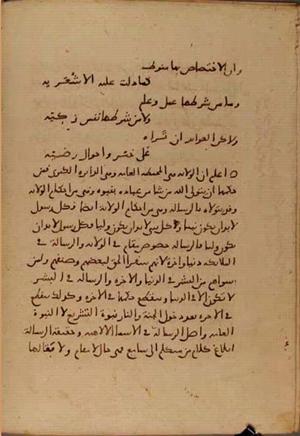
و إن الاختصاص بها منوط

كما دلت عليه الأشعرية

و ما من شرطها عمل وعلم

و لا من شرطها نفس زكيه‏

و لكن العوائد إن تراه

على خير وأحوال رضية

اعلم أن الولاية هي المحيطة العامة، وهي الدائرة الكبرى، فمن حكمها أن يتولى الله من شاء من عباده بنبوة، وهي من أحكام الولاية، وقد يتولاه بالرسالة، وهي من أحكام الولاية أيضا، فكل رسول لا بد أن يكون نبيا، وكل نبي لا بد أن يكون وليا، فكل رسول لا بد أن يكون وليا، فالرسالة خصوص مقام في الولاية.

والرسالة في الملائكة، دنيا وآخرة، لأنهم سفراء الحق لبعضهم وصنفهم، ولمن سواهم من البشر في الدنيا والآخرة، والرسالة في البشر لا تكون إلا في الدنيا، وينقطع حكمها في الآخرة، وكذٰلك تنقطع في الآخرة بعد دخول الجنة والنار نبوة التشريع، لا النبوة العامة.

(حقيقة الرسالة وحال التبليغ)

وأصل الرسالة في الأسماء الإلهية، وحقيقة الرسالة إبلاغ كلام من متكلم إلى سامع، فهي حال، لا مقام[77]، ولا بقاء لها

Notes

[77]

(يفرق المؤلف بعد قليل بين الرسالة حالا ينقضي حكمه بانقضاء التبليغ، وبين مقامها عند الله الذي يبعث منه الرسل؛ فالإطلاقان في اعتبارين مختلفين.)
English

Election to it is attached [to God],

as the Ashʿaris have indicated.

Neither action nor knowledge is its condition,

nor is a purified soul its condition.

Yet customary courses are that you see him

in goodness and pleasing states.

Know that friendship is the general, encompassing reality, the greatest circle. Among its rulings is that God takes charge of whom He wills among His servants through prophethood, itself among friendship’s rulings. He may take charge of him through messengership, also among friendship’s rulings. Every messenger must be a prophet, and every prophet must be a friend of God; every messenger must therefore be a friend of God. Messengership is a particular station within friendship.

Messengership among angels occurs in this world and the Hereafter, for they are the Real’s emissaries to one another and their own kind, and to others, human beings, in this world and the Hereafter. Human messengership occurs only in this world, and its ruling ceases in the Hereafter. Likewise, after entry into the Garden and the Fire, lawgiving prophethood ceases in the Hereafter, but general prophethood does not.

(The Reality of Messengership and the State of Conveying)

Messengership’s origin is in the divine names. Its reality is conveying speech from a speaker to a hearer. It is therefore a state, not a station[77], and it does not persist

Notes

[77]

(The author shortly distinguishes messengership as a state whose ruling ends when conveying ends from its station with God, from which messengers are sent. The two uses concern different considerations.)

Translator’s note TN4355-1: Friendship renders walāyah; the accompanying verb yatawallā concerns God’s taking charge of a servant. The poem’s “attached” does not explicitly state its complement; “[to God]” supplies what its contrast with acquisition suggests, without making a purified soul or prior action a condition.

Manuscript imageManuscript volume 14 · Page 293

Arabic and English are linked by the same Konya page ID. Page alignment is approximate; consult the manuscript image for verification.

Cairo source reference

Ibn al-Arabi, The Meccan Revelations — Manuscript volume 14 · Page 293 — https://www.futmak.com/english/konya/pages.php?id=4355&text=both