
Futmak · الفتوحات المكية · Meccan Revelations

The Meccan Revelations

Manuscript volume 14 · Page 198

Konya manuscript

Open Arabic sourceOpen English translation

Arabic

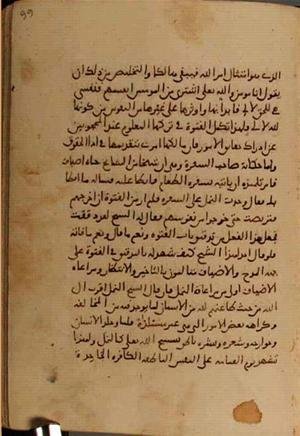
الذي هو امتثال أمر الله، فيبقى هالكا.

والتخليص من ذٰلك، أن يقول: أنا مؤمن والله تعالى: ﴿اشْتَرى من الْمُؤْمِنِينَ أَنْفُسَهُمْ﴾ [التوبة: 111]، فنفسي هي للحق، لا لي، فابدأ بها، وأوثرها على غيرها من النفوس، من كونها لله، لا لي، فلهٰذا تكمل الفتوة في تركها[58] المعلوم عند المحجوبين عن إدراك حقائق الأمور، فإن مالكها أمرني بتقديمها في أداء الحقوق.

(حكاية السفرة وموازنة الحقوق)

وأما حكاية صاحب السفرة، وهي أن شيخا من المشايخ جاءه أضياف، فأمر تلميذه أن يأتيه بسفرة الطعام، فأبطأ عليه، فسأله: ما أبطأ بك؟ فقال: وجدت النمل على السفرة فلم أر من الفتوة إن أخرجهم، فتربصت حتى خرجوا من نفوسهم، فقال: له الشيخ: لقد دققت، فجعل هٰذا الفعل من تدقيق باب الفتوة، ونعم ما قال، ونعم ما فاته.

فلو قال أحد لهٰذا الشيخ، كيف شهد له بالتدقيق في الفتوة على جهة المدح، والأضياف متالمون بالتأخير والانتظار، ومراعاة الأضياف أولى من مراعاة النمل.

فإن قال الشيخ: النمل أقرب إلى الله، من حيث طاعتهم لله من الإنسان، لما يوجد فيه من المخالفة، وكراهة بعض الأمور التي هي غير مستلذة، قلنا: وجلد الإنسان، وجوارحه، وشعره، وبشره ناطق بتسبيح الله تعالى كالنمل، ولهٰذا تشهد يوم القيامة على النفس الناطقة الكافرة الجاحدة،

Notes

[58]

(وجه الجمع هنا أن يقدم العبد حق نفسه امتثالا لأمر مالكها؛ فترك الإيثار الظاهر في هذا الموطن يحقق إيثار أمر الله.)
English

fulfilling God’s command, and remains ruined.

Release from this is to say: I am a believer, and God, exalted is He, “purchased from the believers their selves” [al-Tawbah 9:111]. My self belongs to the Real, not to me. I begin with it and prefer it over other selves because it belongs to God, not to me. Spiritual chivalry is thus perfected in leaving it[58], as leaving is understood by those veiled from perceiving realities, for its Owner commanded me to give it precedence in delivering rights.

(The Foodcloth Story and Weighing Rights)

The story of the man with the foodcloth is that guests came to a master, who commanded his disciple to bring the foodcloth. The disciple delayed, and he asked, “What delayed you?” He replied, “I found ants upon the foodcloth and did not consider driving them out to be spiritual chivalry. I waited until they left of themselves.” The master said, “You have attended to a fine point.” He regarded this act as a fine point in the subject of spiritual chivalry. How excellent his saying, and how excellent what escaped him!

Someone might ask this master how he praised the disciple’s fine discernment in spiritual chivalry when the guests suffered from delay and waiting. Regard for the guests has greater claim than regard for ants.

If the master says, “Ants are nearer God through their obedience than the human being, in whom disobedience and dislike of some unpleasant matters are found,” we say: the human being’s skin, limbs, hair, and surface also speak God’s praise like the ants. For this reason they testify on the Day of Resurrection against the unbelieving, denying rational soul,

Notes

[58]

(The reconciliation here is that the servant gives his self’s right precedence in obedience to its Owner’s command. Leaving outward preference for another in this setting realizes preference for God’s command.)

Translator’s note TN4260-1: The source twice uses niʿma, “how excellent,” for what the master said and what escaped him. The second prepares the ensuing critique of neglecting the guests’ rights. Sufrah is rendered foodcloth, the spread brought for the meal.

Manuscript imageManuscript volume 14 · Page 198

Arabic and English are linked by the same Konya page ID. Page alignment is approximate; consult the manuscript image for verification.

Cairo source reference

Ibn al-Arabi, The Meccan Revelations — Manuscript volume 14 · Page 198 — https://www.futmak.com/english/konya/pages.php?id=4260&text=both