The Meccan Revelations

Manuscript volume 14 · Page 83

Konya manuscript

Open Arabic sourceOpen English translation

Arabic

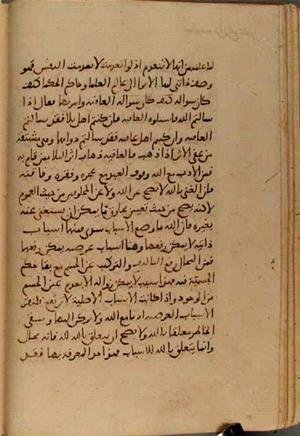
لما علمه من أنها لا تنعدم، إذ لو انعدمت لانعدمت النفس، فهو وصف ذاتي لها.

أ لا ترى إلى عالم العلماء وحاكم الحكماء، كيف كان سؤاله العافية، وأمر بها؟ فقال: «إذا سألتم الله فاسألوه العافية»، فإن كنتم أهل بلاء فقد سألتم العافية، وإن كنتم أهل عافية فقد سألتم دوامها، وهي مشتقة من عفا الأثر، إذا ذهب، فالعافية ذهاب أثر البلاء ممن قام به.

(طلب العافية والإقرار بالأسباب)

فمن الأدب مع الله وقوف العبد مع عجزه وفقره وفاقته، فإن الغنى بالله لا يصح عن الله، ولا عن المخلوقين من حيث العموم، لكنه يصح من حيث تعيين مخلوق ما يمكن أن يستغني عنه بغيره.

فإن الله ما وضع الأسباب سدى، فمنها أسباب ذاتية لا يمكن رفعها هنا، ومنها أسباب عرضية يمكن رفعها، فمن المحال رفع التأليف والتركيب عن الجسم، مع بقاء حكم الجسمية فيه، فهٰذا سبب لا يمكن زواله، إلا بعدم عين الجسم من الوجود.

وإذا كانت الأسباب الأصلية لا ترتفع، فلنقر الأسباب العرضية أدبا مع الله، ولا نركن إليها، ونبقي الخاطر معلقا بالله، ولا يصح أن يتعلق بالله لله، فإنه محال، وإنما يتعلق بالله للأسباب، فهٰذا حد المعرفة بها، فقد
English

knowing that they do not disappear, for were they to disappear, the self would disappear. It is an essential attribute of it.

Do you not see how the knower of the learned and judge of the wise asked for well-being and commanded it? He said, “When you ask God, ask Him for well-being.” If you are afflicted, you have asked for well-being; if you possess well-being, you have asked for its continuance. It derives from “the trace vanished,” when it departs. Well-being is the departure of affliction’s trace from one in whom it subsists.

(Seeking Well-Being and Acknowledging Causes)

Courtesy toward God includes the servant’s standing with his incapacity, poverty, and need. Being free of need through God does not mean being free of need for God, nor for creatures collectively. It is valid with respect to a particular creature, whom one may dispense with through another.

God did not establish causes in vain. Some are essential causes that cannot be removed here, while others are incidental and can be removed. Composition and combination cannot be removed from a body while corporeality’s ruling remains within it. This cause can disappear only through the body’s entity passing out of existence.

Since original causes do not disappear, let us acknowledge incidental causes out of courtesy toward God, without relying upon them, keeping the passing thought attached to God. It cannot validly attach to God for God’s sake, for that is impossible. It attaches to God only on account of causes. This is the limit of knowing them. Thus

Notes

Translator’s note TN4145-1: Well-being, ʿāfiya, is connected with ʿafā al-athar, the vanishing of a trace. The causal argument distinguishes essential causes that cannot be removed while a thing remains itself from replaceable, incidental causes.

Manuscript imageManuscript volume 14 · Page 83

Arabic and English are linked by the same Konya page ID. Page alignment is approximate; consult the manuscript image for verification.

Cairo source reference

Ibn al-Arabi, The Meccan Revelations — Manuscript volume 14 · Page 83 — https://www.futmak.com/english/konya/pages.php?id=4145&text=both